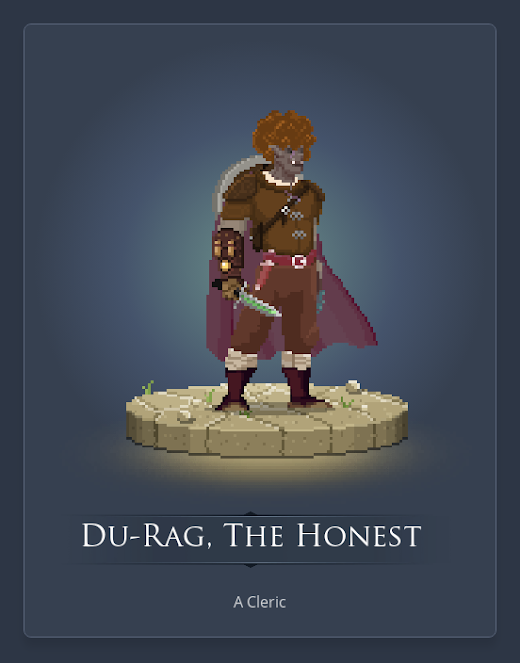
Four Fey-folk are explored in the March 11 Unearthed Arcana drop. This includes the classic Fairy, two animal-folk (rabbit and owl), and a Fey Hobgoblin. While all of these races are connected to the Feywild, they are not called out specifically as being from the Feywild, just connected to it. Only the Fairy is Fey, by creature category. In some ways this makes the other three racial options (the document does not call them out as lineages) like “normal” Elves rather than Eladarin. If this UA gets strong feedback there will be two Hobgoblins in existence, one a martial warrior and the other that creates a unique bond through gift giving.
Just as in the last Unearthed Arcana there is a sidebar explaining the path forward in regards to Ability Score Increases at character creation. Mostly it is a reminder about the rules in Tasha’s, but it continues the commitment to reduce racism and bioessentialism within Dungeons & Dragons.
The “Creating Your Character” section provides special character-creation rules for the race options in this article. The races that use these rules can coexist seamlessly with races that use other rules. For example, the race options in the Player’s Handbook have built-in ability score increases, while the races in this article don’t. Race options from both sources can adventure together.
UNEARTHED ARCANA 2021 | Folk of the Feywild
If you’d like a race that doesn’t appear in this article, such as an elf or a dwarf, to have similar ability score flexibility, the book Tasha’s Cauldron of Everything provides a rule, called Customizing Your Origin, that gives you that flexibility. That book also gives you the option of building your own race, rather than choosing an existing one. That option is called the Custom Lineage. No matter which option you choose for your character—a race in this article, a Player’s Handbook race, a race modified by the Customizing Your Origin rule, or a Custom Lineage—you can adventure with characters who are built with a different option.
This sidebar builds on the design note in our previous Unearthed Arcana, “Gothic Lineages.”
Fairy
Any fey centered story has to have fairies as playable characters. Fifth edition is finally adding them. They fly, of course. The Fairy joins Aarakocra and Feral Tieflings as able to fly at first level. Owlfolk join that group shortly. These are the only races limited away from some versions of Adventurers League.
All of the abilities just make sense for what we expect from fairies, but the one that stands out to me as unique and situationally potent is Fey Passage. The ability of a small fey to enter nearly sealed spaces fits so much of the legend and lore surrounding these peoples.
Hobgoblin of the Feywild
Whereas the Volo’s version of Hobgoblins focused on every single one of them being at least a light fighter, those Hobgoblins with connections to the Feywild are helpers. Rather than armor or weapon proficiencies, your Hobgoblin gains a leveling version of the Help action. This is much more interesting flavor.
Hopefully when the Fey Hobgoblin gets dialed into official material the two version appear more like subraces, rather than having similar, but still different abilities. There is language drift between the new Fortune from the Many and the old Saving Face. Also, the older version of the Hobgoblin is just weaker. Three proficiencies is just weaker than Fey Gift and Fey Ancestry.
Owlfolk
Another flying creature, of course. The choice to be either medium or small makes sense, as there is variation in size for real owls, as well as the stories upon which the Owlfolk are based. There are two sight based abilities, but neither directly relate to Perception. This UA does insert a third scale of Darkvision. It should likely be changed to either 60′ or 120′ to be inline with other races. 5e is about those kinds of simplicity.
My favorite ability for Owlfolk is Magic Sight. Adding a ritual spell makes so much sense for a race that is so storied in wisdom and intelligence. It combines well with spellcasters and martial types. Hopefully there are more races that access rituals rather than the now standard 1 per long rest usage of a 1st level spell.
Rabbitfolk
Hip, hop and hippity hop. Yes, there will be a Rabbitfolk Bard in my future. There’s some interesting mirroring of Halfling abilities here, which makes sense. The two generally smaller folk both love freedom and large families. Rather than Lucky, the Rabbitfolk get a minor bonus on failed Dexterity saving throws. These similar abilities maintain interest while connecting to their stories.
Here, the Rabbit Hop is the ability that leaps out. Being able to jump around is key for a rabbit. Getting to use it with no cost is wonderful. The d12 of additional feet is clunky (just as the similar rules regarding Athletics are clunky). For gridded play something like +5′ per proficiency bonus would be simpler. For those playing with Theater of the Mind the difference between 3 feet and 4 feet is meaningless in combat.
Overall these should be popular. There are entire game systems dedicated to animal folk. Humblewood was extraordinarily popular, because people just enjoy being little floofs of magic and power. Official support for similar folk makes sense.
Hopefully the feedback helps dial in some changes to the various hobgoblins and other non-core races that have clear subraces but operate as completely separate instances rather than those that share story and abilities.