Using Green-Flame Blade, Booming Blade, and Lightning Lure gives these two subclasses much of the feel they need. Both invoke a feeling of characters who use their weapons while slinging spells. So does the Hexblade, the Battle Smith, some Paladins, and some Rangers.
Unlike when the Hexblade and Battle Smith were added to the game, the Bladesinger and Eldritch Knight didn’t get access to spells like Thunderous Smite or Zephyr Strike or Ensnaring Strike. The Smites all fit the two narratives. The Strikes are just the two previously listed and Steel Wind Strike.
A Dungeon Master that adds these ten spells for their players helps that player play a character who fits the mold as a weapon-caster. Giving a PC a few moments a day, because they take spell slots, when that character emphasizes the vibe of the fiction that inspires their character is great. They aren’t stepping on the toes of the Paladin (who has the Smite feature still) or the Ranger (because Favored Foe and Hunter’s Mark are their combat signatures).
Ten spells and your players will be more like the character they want to be, without the need to be a Hexblade sworn to a odd mystical sword, a Paladin sworn to a cause, or a Ranger protecting civilization from the Wildes.
Myth, legend and story energize Dungeons & Dragons. The game, especially in its 5th edition circles back and amplifies itself. So many of the tales which helped create the game are those of the zero who becomes a hero. A small town X becomes greater than life, saving kingdoms and worlds.
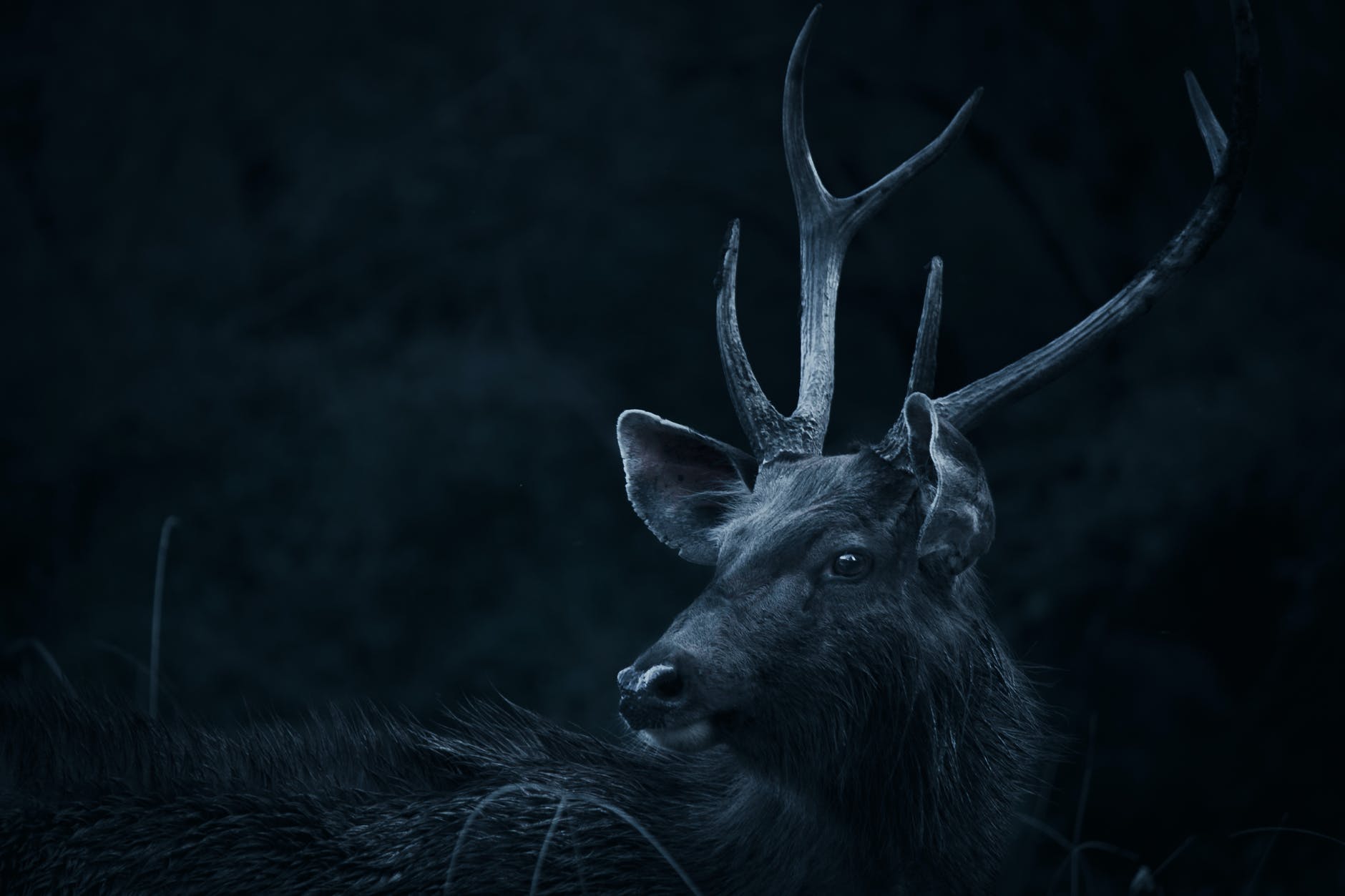
These zeroes have so many professions. In 5th edition these preheroic roles are captured in Backgrounds. The game does a decent job of offering several. But some are missing — like the Hunter. A Hunter may be chasing a stag and stumble upon a sleeping woman. Or they set traps for furs, travelling to the city later.
Currently you could use an Outlander or a Folk Hero. But you aren’t a hero yet. That’s going to happen at the table. The Outlander ignores many of the stories of a hunter who is part of the community from which the tale starts. That’s why you need a Hunter. So here it is.
Whether for your lone homestead or for a large city you hunt for your people’s food. You may do this with a bow, or a sling, or traps. You do this swiftly and effectively, honoring the prey for what they provide your family, friends, and neighbors. You may be a pseudo-noble authorized to hunt on the Queen’s lands or a trapper out in the wilds.
Some hunters are expert trackers, others can stalk their prey for miles, while others still use snares. A hunter may focus on specific beasts, or not. No matter their preferred protein when they are on the trail they are completely dedicated to success.
Skill Proficiencies: Survival, Stealth Tool Proficiencies: Leatherworker’s or Woodcarver’s Tools Languages: None Equipment: A non-magical ranged (w/ 10 pieces of ammunition) or 3 thrown weapons or 2 hunting traps, traveler’s clothes, waterskin, knife, whetstone
Feature: Provider
During a long rest you are able to find enough food for yourself and your proficiency bonus number of people for a day. You can do so and still gain the benefits of a rest, but still must sleep or trance as appropriate to your race or lineage. Additionally, you have twice your proficiency bonus for your Stealth or Survival skill gained from this Background when in natural surroundings. This bonus does not stack with Expertise or similar rules at any time.
You are not proficient with the weapons that are starting equipment.
For personality use the Folk Hero or Outlander, for now. When the Before We Were Heroes project is available for purchase every Background will have their own traits, ideals, bonds, and flaws.
The Hunter can also be played as a Trapper without any changes beyond the name. Just choose the hunting traps for your equipment.
Hunter Design Goals
As usual this design started with the massive hole in the Dungeons & Dragons Player’s Handbook not having many mundane backgrounds and trying to shoehorn them into the Folk Hero. But being a hero is what playing the game is about, not the story in your past.
With the Hunter I wanted to explore a way to grant Expertise, under a different name, to any character at 1st level. But, this is as pricey as the cantrip granted by the Drudge. There must be a cost. That cost isn’t just dropping a single skill, but dropping a skill and one language/tool/etc. That didn’t seem to be enough though. So, the rule is that a Hunter must choose one of two skills and cannot have the other at 1st level. Our mundane hunter is either good at tracking/trapping or good at sneaking — not both.
Picking herbs from a backyard garden, a hot house, or a forest outside of town the herbalist collects natural items that aid and harm. An herbalist can heal, poison, invigorate. They know the powers of plants and fungi to change how humanoids and beasts experience the world.
You are a naturalist. You use the art and science of foods and other natural goods to change the way people experience the world. Maybe your favorite tisane helps awaken the weary, or heal the hurt, or cure a disease, or puts people to sleep. A poultice could stop blood flow, or cool the overheating.
There’s power in the natural world and your various recipes. Clerics count on gods. Druids channel the magic of nature. An herbalist knows that life interacts with itself in interesting ways. There’s a magic to that, it’s just not ‘magic.’
Skill Proficiencies: Nature, Survival Tool Proficiencies: Herbalist Kit Languages: Druidic Equipment: Sickle, 2 candles, Scroll case with 5 pieces parchment or a notebook, common clothes, component pouch, herbalism kit, 2 vials (1 w/ either antitoxin or healing potion)
Feature: A Dash of This; a Dollop of That
Using a short rest, you can always find the various fungus, plants, and whatnot needed to make antitoxin, healing potions, poison, or coffee-like substances. Your recipes manifest as salves, poultices, potions, pills, or any other way to deliver the ingredients. Any of your recipes take just a Bonus Action to use as they are more potent than typical.
The personality traits, ideals, bonds of flaws of the Acolyte, Folk Hero, Hermit, Outlander, and Sage all make sense to borrow from during the playtest of this Background. When published all Backgrounds will have unique character traits.
Herbalist Design Goals
Again, this design exists because the Guild Artisan puts most Backgrounds that are related to Tools into a Guild. That’s fine for some stories, but it ignores so many others.
A rural or farm community Herbalist is common in the lore upon which D&D is based. These can become Druids, Rangers, Clerics, Sorcerers, Wizards, and Warlocks most commonly. There’s also a fit with certain Barbarians, Monks, and Paladins. Frankly, a Rogue (Assassin) and Paladin (Devotion, Ancients), and even a Fighter (Eldritch Knight). Because frankly every background should have a story with every core class.
There was also a desire to have access to Druidic, my least favorite D&D language, at a Background level. A couple Backgrounds grant access to Thieves Cant, and it makes sense to have at least one grant Druidic. Shortly, there will be a post about a new take on Druidic that expands it to cover at least one more class and a couple more Backgrounds soon.
Nynaeve al’Meara from the Wheel of Time is a foundational character for this Background.
Custom Backgrounds for 5th edition Dungeons & Dragons
Queen’s Fleet continues to expand presence in Kirtin-on-the-Lake; various factions may lead to infighting; what are these stunning and dirty technologies?
Kirtin-on-the-Lake | Neremyn Quizana
Lately you’ve seen, heard, or smelled the newest additions to Kirtin-on-the-Lake. During this stalemate between Daoud and the Dragons and Kirtin traders from the Free City of Sheljar have entered the city. Some land on the lake with ships under great balloons filled with oily gasses; others enter with the rackety-clackety of wooden gears on various cycles of one, two, and even four wheels — like a cart without a horse.
These goblins (we shall use this word for all of them whether merely the size of halflings or the masses of muscle as large as goliaths) are organized differently than any of the Five Kingdoms of the Everflow. Most similar to the guild-houses of Qin, the Kon organize into at least six guilds that are based in familial relationship and what they call ‘teknical’ skills.
Through numerous conversations we have learned that these are their guilds active in the Western Wildes. Not all have been seen in Kirtin-on-the-Lake yet. According to our sources all are present in Sheljar and the towns under the Free City’s sway — Fort Ooshar, Mira, Telse, Bell-an-Fair, Hagtown, and possibly The Ferments.
A new peoples to the Western Wildes, these snapshots should help the fair people of Kirtin-on-the-Lake understand the goblins and their bizarre systems that ignore the shared bonds of people with animal or the potent magicks of the Dragons and their allies.
Most noticed on the streets of Kirtin-on-the-Lake due to their loud clanking cycles, the Clockwerks League is currently the most powerful of the various goblins. The Queen herself is a member, having won many flags prior to ascending to the throne.
Besides the cycles, the Clockwerks include clocks, timers, repeating crossbows, giant powerwheels similar to a waterwheel that uses their mulgobs rather than water. There is word that they will open a new grain mill took.
Ratxets Guild
Conflicting reports say that the Ratxets Guild are a spinoff from the League or something entirely new. They make wonderful climbing devices and on many days you can find a demonstration down by Theater. The ability to use their rope and ratxet to climb the side of Rock is amazing. When this author used the device it made the journey up Rock pleasant rather than the long chore that the stairway can be.
Rumor is that the Ratxet may install a gondola from the Rock that connects several districts by massive sky-ropes.
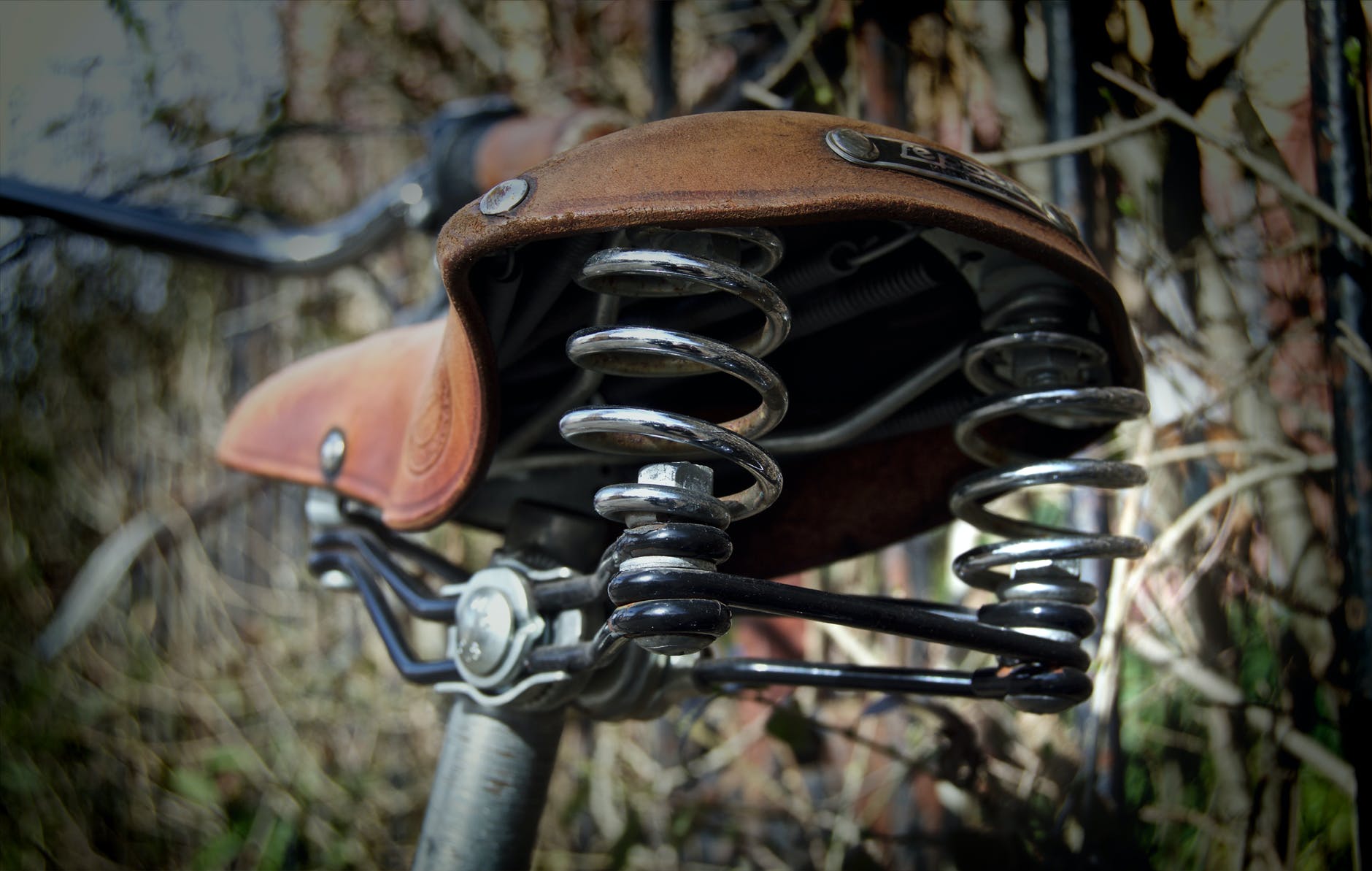
Coils of strong metal come off of smiths that burn hotter than ours. Without the tartek maybe the Springwerks Union couldn’t exist. This symbiotic relationship betwixt the guilds is routine. They compete harshly for recognition from the Queen and yet their greatest werks are interconnected and use tekniques of others.
Their crossbows are a bit lighter. A siege engine powered by a Springwerk may be able to fell a Dragon. The energy trapped within the springs is grand. It may take days for the muls and hobs to get the springs set, but once they are the power can slowly release or go all at once.
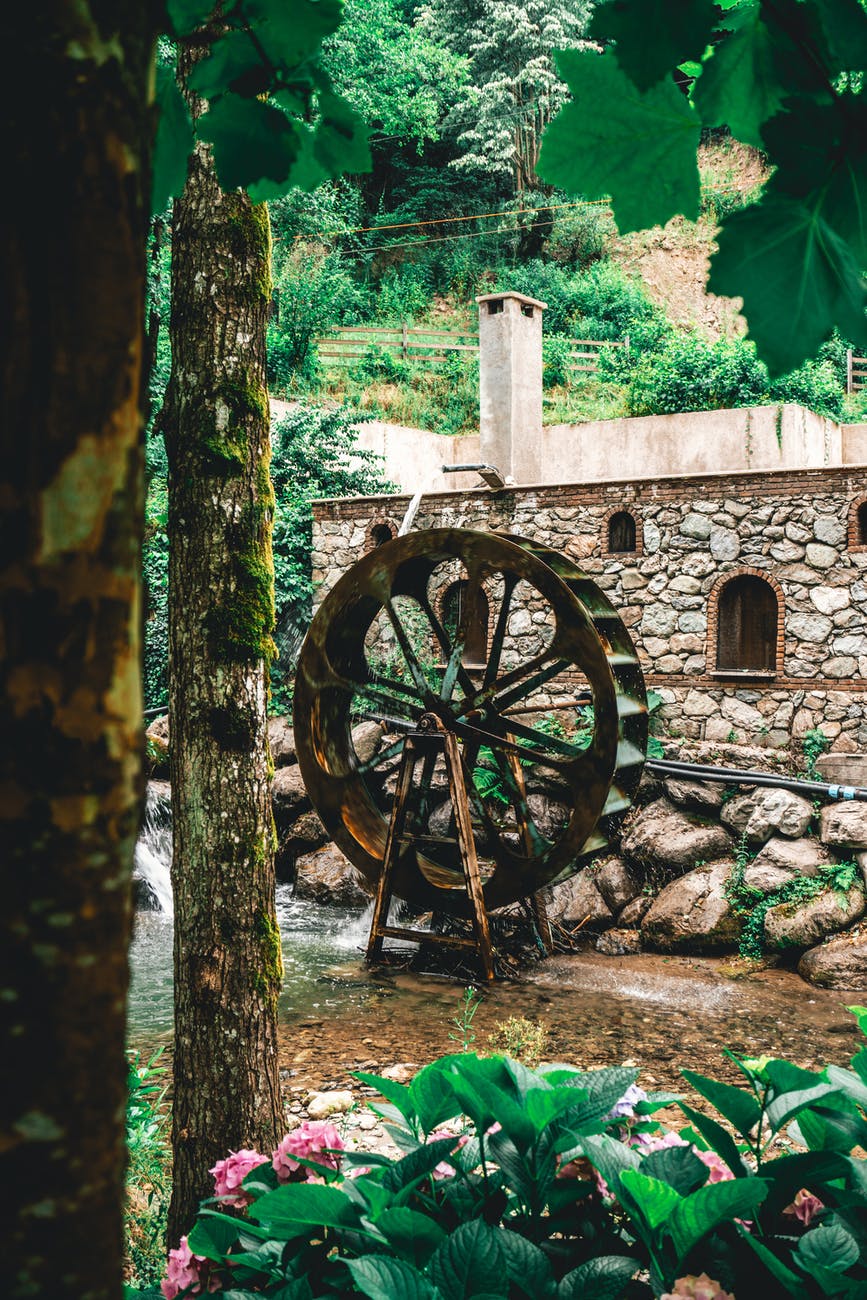
A good little friendly goblin introduced me to how the Alliance works. Our waterwheels are what they used a life of lifes ago. Now using either water or something called pneumatics the Alliance is two former competitors joined. Anything that flows can be trapped, contained, and utilized.
If you’ve been to Haystreet after DragonTree you’ll have seen the inn there with running water! There is an attached bath with a dryer!
Why do so many goblins stink of their tartek when the Alliance allows such great cleanliness? I know after a day at print (our newsletter has bids out to the League and Guild for help reducing prices for you our fair reader) I will use that bath of warm water.
At Carnival you’ve seen the Sparklers. They contain joy in their little packets. The Sisterhood is a group that takes that type of energy and applies it to more than just entertainment. The Alchems are busy foraging the rocks, vegetation, and even animal waste of our lands to find new ways to create violence. Their inventions are on par with many of the magicks of Dragons, in a way that can be taught and handed over.
This Sisterhood will not share their methods of creation. They make the Sparklers look like a newspaper since the Alchms refuse to be public in how they operate.
Also, they hate the Tarteks Federation. Supposedly these groups could be the unified, there’s some sort of familial break that has nothing to do with the teknology used.
You know the smell by know. Using their tar-trees the goblins have changed the air and water in Kirtin-on-the-Lake, maybe forever. They burn this sticky oil and create self-powered cycles, no pedaling needed. Like the Sisterhood, The Federation are reclusive.
This lack of information seems to be how the gobs keep their strength and respect. A combination of Tartek and Airxip work is what enabled the gobkon to cross the Teeth of Sheljar and, as they claim, return to their lands.
Those massive ships travel the air, floating above the rapids of rivers, the mountain passes, the brigands and bandits. Their ‘airxips’ are barely related to Daoud’s large galleons. Some of the airxips cannot even land in the waters of Kin! They must have towers or long rope ladders to interact with the grounds below.
Bladders may be filled with the works of Alchems, Tarteks, or even Airmatics. Each insists their techniques are best. This author does not know which is best. The xips and gliders of the Syndicate enable travel and connection to communities in ways that our horses cannot. Sheljar’s connection to Hagtown shouldn’t be possible. It is just uphill from us, but due to regular visits from the Syndicate it maintains a relationship to the Free City rather than Kirtin or Daoud as it was in the past.
These transports are stunning, if slow. I have booked a ride to go to Kirtin-in-the-Sky for the summer as my first test of what the Syndicate can do. Hopefully the stalemate between rebel, Daoud, Kirtin, and the Dragons will hold until after my report.
Additional reporting was provided by allies and sources within Hagtown, Sheljar, and Telse. Those sources will not be revealed.
Combing magic with an emergent technology these workers of fire are usually about celebration and frivolity. They remain rare in most D&D worlds. When they work they are paid quite well. But outside of the largest communities there is little need for a Sparkler. For this reason they often travel in a small group of other Sparklers, attached to a circus, or maybe even part of an empires retinue.
This Dungeons & Dragons background is designed for 5th edition. It also adds a new tool (using PHB rules) and a new exotic weapon. The Sparkler grants a cantrip rather than one of the skills and tools/languages that are typical of backgrounds.
You are a master of smokepowder or gunpowder as appropriate to your world. Using these powders you can create displays to inspire or scare thinking beings. As a Sparkler you have also learned how to combine these effects with magic, thereby increasing the the scope of your art.
Often hired as an entertainer the Sparkler is in high demand during festival season. Due to wandering between large and/or rich communities your close friends tend to be the other Sparklers and your hosts.
Your knowledge of the powders is often approached as a magic much more powerful than it is, because it is both different and rare. Most Sparklers hide this knowledge from the general public working in secret except during their performances. Some Sparklers specialize in aerial displays, others in massive thunderous noises, and a few even weave the illuminating powder into their fluid dances and twirling — all are artists.
Skill Proficiencies: Acrobatics or Performance Tool Proficiencies: Fireworks Languages: None Cantrip: Minor Illusion Equipment: Traveler’s Clothes, Costume, flint & steel, assorted fireworks including 3 rockets all stored in an oilcloth backpack, pouch with 5 gp
Feature: Ooohs and Ahhhhhs
Given a few minutes to prepare, you can create a wonderous display of lights and sounds that can serve as a distraction. This display may be augmented by your Minor Illusion. This display can serve as a distraction for some guards, as inspiration for a besieged city, or as a reward for those who have worked hard. The display, whether spells are used or not, feels supernatural to those who watch it.
Characteristics: For now, use those from the Entertainer, Guild Artisan, or pick & choose as appropriate for your concept. Whenever my background project sees full publication there will be unique characteristics for each of them.
Fireworks (Tool)
Cost: 150 gp | Weight: 20 lbs
Proficiency with fireworks means that you know how to safely store and transport the pseudomagical devices known as fireworks. You are also proficient in how to set up a small display that would entertain a group for a few minutes. This could be an aerial, ground, or sound based display — or a mix of all three. Larger displays would require several people proficient in the tool to work together.
Additionally you know how to create more fireworks. With the necessary supplies you can create a new display or three rockets during a long rest. The supplies may not be readily available.
*On a hit those within 5′ of the target must succeed on a saving throw or take half damage.
All awakened rodents are proficient in rockets.
Sparkler Design Goals
The desire here is to have a real-world, culture-neutral version of a fireworks specialist. The primary example of these in fiction is the Illuminators from the Wheel of Time series, which share some aspects of Romany culture and some from aspects from various northeast Asian cultures.
Additionally the Sparkler serves to introduce a new tool and a new weapon to the game. The Rocket varies from the standard firearms rules by being a charge on a stick that would be pointed at a target either held in the hand or planted in ground, and then lit. Players may develop other ways to use them rather than just as a first round attack.
Custom Backgrounds for 5th edition Dungeons & Dragons