Category: Playing D&D

  • Prekx, Gujri, and Shrubbrs – the best fencers this side of Flowing Lake

    Prekx, Gujri, and Shrubbrs – the best fencers this side of Flowing Lake

    Prekx was happy to get hired for this job. Anytime he could get further from the village with all their suspicious eyes was good. Many still thought of him as a goblin, and not just a fence maker. Even now, with his reputation after building Gujri, the steel goat, to find the gaps and holes faster than real goats and at no loss of meat there were those who thought about the attack from his former tribe. Prekx didn’t even know his tribe. He’s just known the land around Flowing Lake.

    Growing up under the care of the mage Alizon, he learned what magic could do and that if you know the proper gestures, and words, and components you can just do things. Not normal things – big, impressive things. That’s how he learned the spells that helped him make up for his weak size — Mold Earth and Mage Hand.

    Magic helped him overcome size and strength. It introduced him to carpentry and the fine works of woodcarving. It helped him build Shrubbrs – that tiny cluster of branches and roots and thorns with a heart of fire-stone. Magic is where he turned, because that’s where he had his friend.

    Gujri would find the hole in the fence. Then Prekx and Shrubbrs would join the steel goat there to clear some land around it, make it easy for the human to repair. Instead of standing in brambles they would have space.

    Then it was off to towards the river. Someone needed a string-metal fence. Normals couldn’t make that. It’s a little invention that he came up with using his artifice. Lighter, and stronger, the string-metal fences were become popular. They will hold out the vermin, hopefully. There’s a flock of cockatrice and a cluster of giant spiders that are an issue lately.

    Maybe he can fence those towards each other? It would be easier than a herd of sheep being petrified or chicken coop covered in webs.

    “Gujri! Get over here,” Prekx shouts.

    The only answer is the crank of rusted metal. That’s another problem altogether.

    Photo by Artur Roman on Pexels.com

    Fence Making is Magic – an Artificer build

    The concept for this character started in a simple place. I was working on horse fencing, which is hard, physical drudgery. The thought sprung into my head ‘how would a D&D hero do this?’

    That starts with Mold Earth and Mage Hand. Between those most of the digging and walking over back-and-forth, back-and-forth, back-and-forth, sorry distracted by all that walking, just makes things easier. I looked into a sorcerer for that, but unfortunately it didn’t quite represent what I wanted.

    From there, taking the Feat: Magic Initiate became obvious. In order to be an expert carpenter (the closest tool to a fence maker in the game) meant one of three choices. Artificer felt better than Rogue and Bard. The reason for that is that the handy assistance from the built companions just made too much sense.

    Shrubbrs and Girji would be invaluable aids in maintaining and building a fence. Not only that, but a worker on the edge of a civilized area could use the extra defensive help from a steel goat.

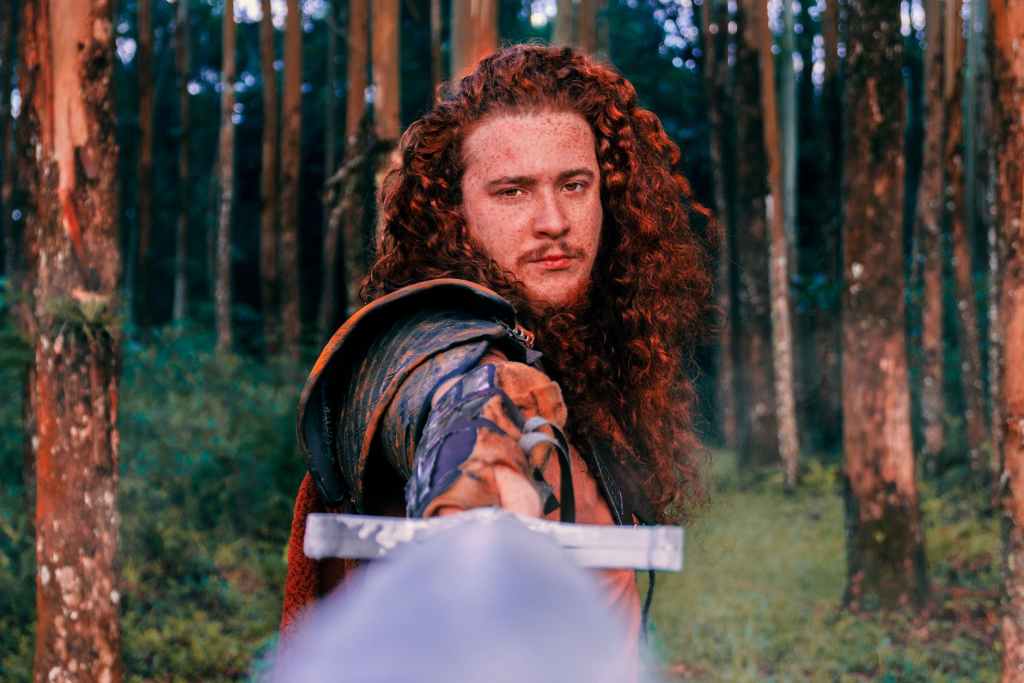
    Throw in a cool photo of Goblin Gulch, and now, a character is born.
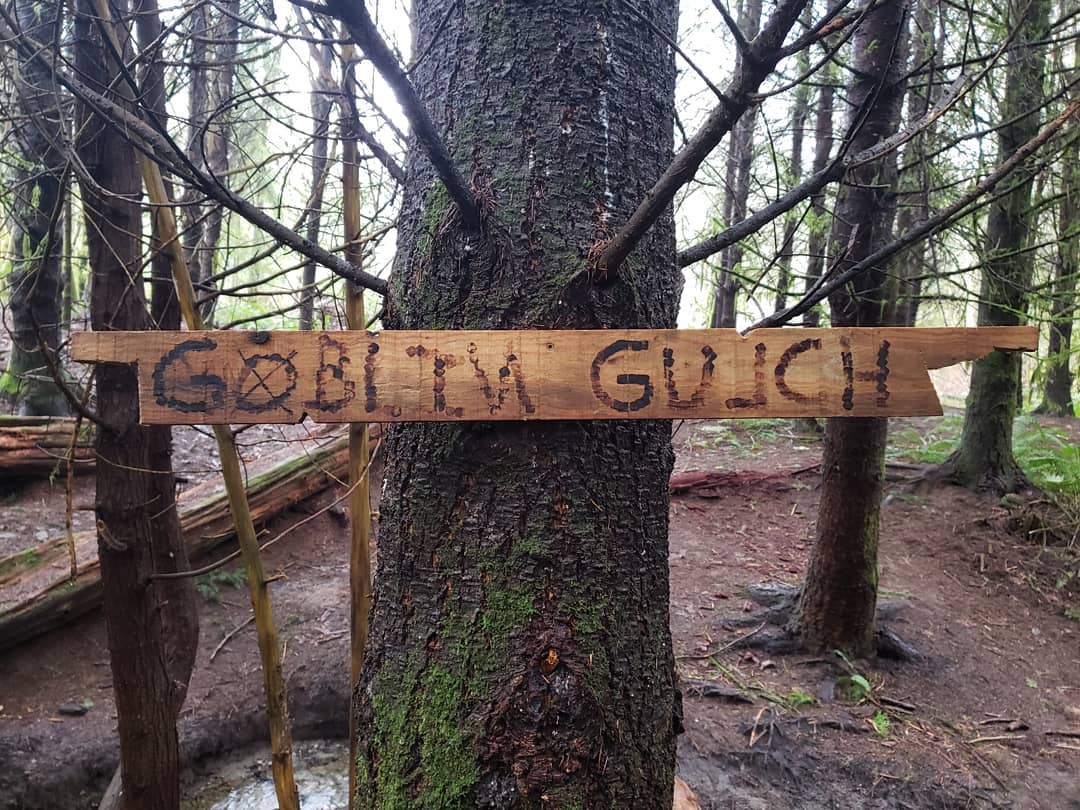
    Goblin Gulch by Nick Wietzel

    There will probably be a deeper dive into Goblin Gulch later, but in Prekx’s case he left the Gulch when young.

    Prekx Booyahg Booyahg Booyahg of the Gulch is a goblin artificer, steel defender.

    He’s Flowing Lake’s (an idea I came up with during the recent flooding) best fence maker. That background was based on the Folk Hero, with minor tweaks.

    For the flaws I leaned into the goblin tribe he left, saying that the ruler there wants Prekx dead. Also, he learned to hate bullying from his youth as a goblin. He learned to love magic from his latter youth as a student with Alizon.

    His sincerity he picked up because he’s damn good at his job and he’s a goblin. He will never hide either of those things.

    Finally, he’s confident in his abilities and do what he can to instill confidence in others. But at times he will misuse long words because his education started late.
  • These are the three reasons I’m getting Candlekeep Mysteries

    These are the three reasons I’m getting Candlekeep Mysteries

    On a Tuesday during the depths of winter Wizards of the Coast announced their latest product release for Dungeons & Dragons — Candlekeep Mysteries. The adventure anthology format is not new to 5th edition. Previous releases Tales from the Yawning Portal and Ghosts of Saltmarsh were both collections, rather than full paths that are designed to be a campaign.

    Candlekeep Mysteries is different though. The design intent is that the 17 adventures can be completed in just a single session of a few hours. That’s a great tool for people who struggle to keep a group of players together meeting regularly for a massive path that takes months. Getting 2-4 others together for just 2-4 hours is much easier than planning a weekly session that lasts years.

    17 One-Shots

    That’s one of the key reasons to get this book. As someone who designs a massive world, I lean towards the campaign format. But that means throwing together a single session as more and more friends want to try to game is difficult.

    Now, I’ll have a resource of shorter content than the Starter Set or Stranger Things Boxed Set. Neither of those are able to be completed in 4 hours, though the Stranger Things box can probably be done in ten or so, even with someone as verbose as me.

    Having a book of one shots on hand will be an excellent addition to my DM tool chest.

    The Alt Cover Is Art

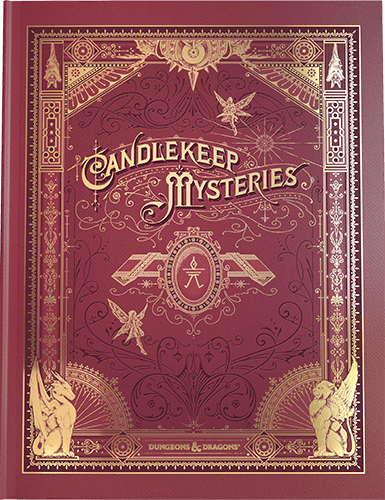
    Candlekeep Mysteries alternate cover is a soft finish deepish red with gold lettering and accent art. It appears as you might dream a tome on the shelves of the famed library-keep might look. There are arcane symbols and guardian drakes.
    The alternate cover is available at your local gaming store on March 16.

    Put that on a shelf in a public space, and your non-gaming friends will think you own a fancy tome. It’s brilliant and evocative. The only way you can get it is by supporting your local gaming store. You should always support your local, and particularly so in the current pandemic-economy which threatens their very existence.

    Yes, the other cover is more like your other books, and certain completionists might like that look. Me, I’m no longer interested in hiding my passion for D&D. I want fancy books and knickknacks that inspire people to ask me about my shelf space — whenever they can enter my home safely again.

    Embracing Critical Diversity

    Looking over the 19 authors behind the tome you see people who not only come from diverse backgrounds, but who are vocal in their critique of D&D’s history and present. These voices were not shunted aside, but instead featured in official product.

    And that diversity shows up in the adventure details that were released already. Kretchmer’s adventure features a wheel-chair accessible dungeon. This is a historically accurate detail that makes sense within a realm of magic. Official products embracing that design decision is wonderful. If you are creating adventures or other RPG content Jennifer’s reference Accessibility in Gaming is vital.

    Barber is a Black veteran from Canada who has critiqued Wizards, D&D, and other games for the way they address issues for his communities. Kwan is one of the voices behind Asians Represent. His voice has elevated the discourse regarding Asian themes within gaming. Now, both will feature in official product.

    As Jeremy Crawford states so often, “a diverse group is a strong group.”

    This collection of authors, editors, artists, and more embraces that concept and provides the DM with content that breathes that very statement. It is a brave and responsible action by a company to not only accept the often harsh criticism, but to take those critics and give them a larger voice.

    Pages: 1 2

  • Heroes Come From Everywhere

    Heroes Come From Everywhere

    If you didn’t get the clue from Darius Dondermonger, I enjoy heroes with interesting backstories. A cheese maker can become a famed ranger. Your cleric may have just been a mercenary, or a candlemaker. That butcher in the village that was conscripted? They’re now one of the realm’s greatest fighters.

    Photo by Daisa TJ on Pexels.com

    Backgrounds are the D&D rule that best embraces this concept in 5e. Toss in a dose of Xanathar’s Guide to Everything Chapter 1: Section: This Is Your Life and you’re on your way to having a backstory that embraces the pre-hero version of your character.

    Still, it takes a player that is willing to embrace that zero part of your zero-to-hero journey. It’s up to you to embrace the idea that a fence maker can become a powerful sorcerer.

    That’s essentially what the “My Next D&D Character Is…” thought-bombs are over on twitter. They are the embrace that these unconventional Dungeons & Dragons concepts are as valid as the the mercenary, the head of the local thieves guild, the student-wizard, the acolyte-cleric. Normal people get caught up in grand stories. Your adventuring party and character creation should embrace that.

    Make someone who is just exhausted by all the strife, or a town ball hero, the neighborhood helper/do gooder, the chessmaster, or so many more ideas.

    Throw off the yoke of convention and make the story that you want to tell. Make the character that embraces some small aspect of you, your friends, or just that person down the street – amplify that and create. All stories are valid. Everyone can become a hero.

    For the most part, when creating these types of characters with no homebrew rules I start with the Folk Hero Background (the Guild Artisan is #2), and then remove all of the skills, languages, and tools. The mechanics are then built around the profession. Use the tool that makes sense, add two skills that fit the closest to the concept, and then add a language or another tool to round out the idea.

    In DnDBeyond.com this is done in standard character creation during step 4, custom background. There’s then a choice of 2 skills + [options]. You will also be asked which feature to adopt (Rustic Hospitality is likely the best). It’s quick and easy, and part of the core system as 5th edition is designed.

    The more complex way is to partner with your DM to build custom backgrounds from scratch, or connect with me and take one of my 40+ concepts out for a test drive.

    Who is your next zero-to-hero?

  • Darius Dondermonger – inspired by dragons and cheese.

    Darius Dondermonger – inspired by dragons and cheese.

    Character concepts come from all sorts of places. Sometimes they grow over years, tended like a rare flower they sprout and bloom after long care. Then there are those that burst forth from your mind to page (actual or digital) in a flurry.

    Darius Dondermonger came into being when two roads combined. The first road originated some time ago, when the D&D released the Drakewarden. Dragons are quite important in the World of the Everflow, so I knew I would revisit the Drakewarden. The second road came when grocery shopping. We needed cheese, lots of cheeses. Yes, we’re fans of charcuterie. These roads merged when reading about Dragon’s Milk Stout’s web-RPG release. As often happens, flavor started to inspire the story.

    The Chef Feat in Tasha’s Cauldron of Everything is quite useful for someone who latches onto flavors like this. That pushed towards a Variant Human so that the foods he creates can help heal and/or inspire his companions towards greatness.

    Darius Dondermonger kept growing. From a legacy family in a small village, Darius was to be the head of household and manage the ageing of grana (think Parmesean and similar cheeses). Some of these for decades. They use adjuncts at times. That is what sent him to the forests and hills of the area.

    He is also flawed. Not only does he prefer the hunt for herbs and the like to management, he also prefers the making of cheese to business. That’s part of why he rejects the full family name. The other part is that he does not feel he’s earned that name, for he has lost something special to them.

    Lastly, he took on Dunder, due to his companion’s, and later his own, connection to thunder & lightning.

    He is more than just a ranger, more than just a cheesemonger specializing in aged cheeses – Darius Dondermonger has a small dragon companion and has discovered that he is also part dragon. The family’s most exclusive grana comes from their age-old connection to drakes, wyverns, and all of dragonkind.

    That same blood compels Darius to travel away from town, for someone with his powers cannot just work the books of Amberhearth and Highwall’s greatest cheese makers. Someone with the blood of dragons must, must, pursue a grander destiny — and also find that which they’ve lost.

  • Accepting Failure in D&D

    Accepting Failure in D&D

    Whether it’s a critical failure (the dreaded 1 in combat) or forgetting your own abilities leading to tactical error every character will have to deal with defeat at some point, likely often if you aren’t into optimization. These losses are an opportunity.

    Not all tales of heroes are about victory. Within pain and failure is the contrast to success.

    Recently, in the final battle within Lost Mine of Phandelver the party was completely overwhelmed. We knew of 14 opponents, to include the adventure’s final boss. There are 7 of us. Awf is overconfident by nature. As a Hill Dwarf Bladesinger he wades into the frontlines accepting damage as part of raison d’être.

    The problem with that became rapidly apparent as he attempted a rear guard action. Eventually four different bugbears were piling on the broadshouldered dwarf. No one was surprised when he fell unconscious and took a death save from another attack.

    Norran, our Half-elf Assassin, slid through the traffic of combat to administer the only healing potion available in that part of combat. With the party split things looked dire for the rear guard group. Bring Awf back up gives Norran and Ambrose, Half-orc Beastmaster, and Awf a bit of hope, when things seem hopeless.

    Our session ended in mid combat – and that’s when I remembered that Awf has a Staff of Defense.

    AFTER taking numerous blows that dropped him. Through poor play as a player, I forgot about Awf’s 8 charges of Shield that he could use as reactions to limit the battering his body took.

    It’s a dumb error.

    Except, upon review it is exactly the type of error that Awf Hornjaw et Loragwyn would make in combat. It’s part of who he is and how he operates. My error was in fact playing to type.

    Personality Traits
    I enjoy being strong and like breaking things.
    I face problems head-on. A simple, direct solution is the best path to success.

    From Awf’s Background

    And this is where embracing the failure becomes an epic tale. In next week’s session Awf’s overconfidence will disappear. Every single turn a Shield spell will be used to protect either himself or his companions that he placed in danger. Rising from his stupor he learned.

    Being in danger is part of the joy of role-playing combats. There will be times that the danger is overwhelming.

    Now, due to failure Awf will have a fireside tale that isn’t just about the failure, but also about the success. The mistake of the player will become the character’s epic song.

  • Turn flavors into the story you wish to tell

    Turn flavors into the story you wish to tell

    In wine, beer, coffee, etc there’s the concept of the perfect pairing. At its simplest, the concept is to find foods that complement that specific flavor notes of the beverage. More completely you can find ways to do this through similar and disparate notes – sometimes hitting opposites on the flavor wheel gives the taster an experience that highlights both the food and the beverage.

    Pairing beverages with gaming in something I just do. When playing Awf I always have a beverage. Sometimes that beverage is inspired by his personality – drinking an earl grey lavender toddy out of a masonry mug to highlight his duel cultures of dwarf and bladesinger. Other times the beverage connects to the adventure that Droop’s Brigade is going – Skookum Caverns, a barrel aged strong ale, as we enter Wave Echo Cave.

    The use of flavor here helps inspire the story being told during that gaming session. The flavors evoke a mental space where Awf’s unique history of annoying elves enough that they taught him bladesong, despite his being a stubby dwarf, is brought to the forefront. Or, the dangers and darkness of a cave are brought to the front of mind through can art and the potency of a strong ale.

    Flavor does wonderful things. Pairings aren’t just about maximizing the flavor experience. The connection between taste-smell and memory is powerful. People buy Kona coffee because it awakens memory, much more than due to its quality. A margarita on a cold winter day can put your headspace back to a nice beach vacation. Hot cocoa in front of a fire, even while home alone by yourself, will send you dreaming back to a Christmas visit to a small town.

    As roleplayers, in Dungeons & Dragons or any other game, we can use the magic of flavor to help us. The foods and beverages of your game night are important. Make those small choices that aid gaming, just like you would a token, art, or cosplay.

    Rather than confine yourself into using flavor as a way to connect your current character, you can also use flavor to inspire new characters.

    Each of those characters started with the simple prompt related to a beverage and the object out of which it is consumed. From there decisions were made not just regarding the race, class, and background, but also to inform the skills, attributes, spells, and weapons chosen.

    Rum connected to sailors, pirates, merchants, or water genasi. Carbonation was an indication of something light, refreshing. Salt a connection to authority. The mistaken belief that halflings are just old children popped into the head with the root beer.

    What those various prompts did was start internet searches into the techniques used to create certain beverages, into their history, into their cultural significance. Chasing those touchpoints and activating them through D&D and by including others in the process, my character portfolio expanded. These are now new NPCs, or maybe even PCs, that would never exist.

    Food and drink can inform your characters just as art, books, movies, shows, music and media can. Great cooks say that their meals tell stories. Adapt that into your PC and NPCs.

    Empower flavor to empower the stories you tell.

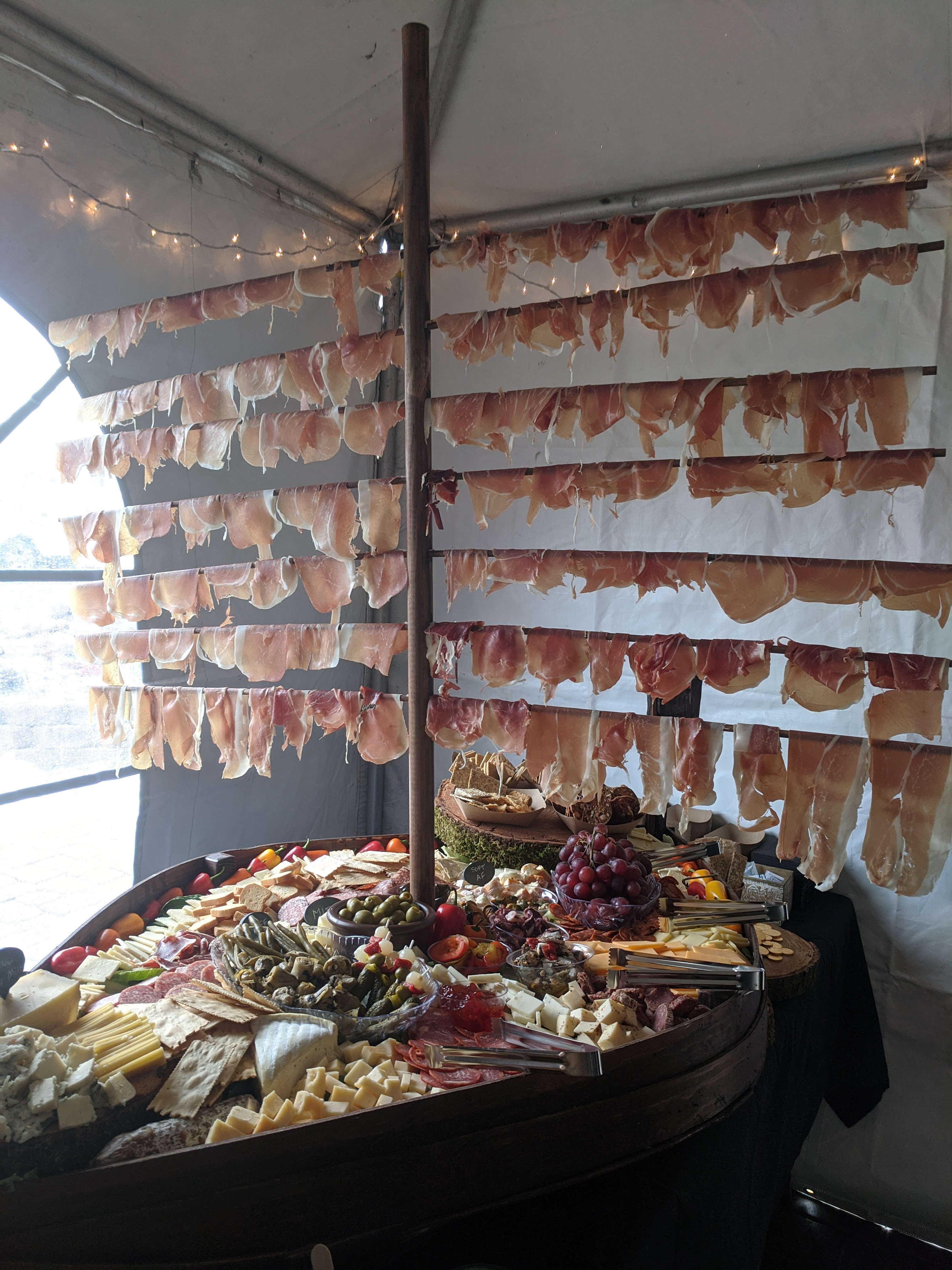
    A replica viking longboat loaded up in charcuterie. From the 4-foot tall mast hangs shaved prosciutto. The base of the boat has cured meats, pickled vegetables, and various cheeses.

    What type of character builds a replica longboat and uses it as a charcuterie table? How does that inform who they are?

    Fediverse Reactions
  • Fighter: Conscript, version 1.3

    Fighter: Conscript, version 1.3

    In general I’m fascinated with Tier 1 play. But there’s another trope that I enjoy — the old-timer who retreated from the life of adventure and war, but who for some reason gets called back into it. They’ve done their best to avoid violence. Instead violence seeks them out. The Fighter: Conscript (final name TBD) has seen things. Things no one else should see.

    When they get the call to return to their former life they are no longer concerned with having the best weapon and the best armor. Their wits and experience taught them that any tool can be used for any job.

    Design Goals

    With this subclass the desire was to build a character who attempted to retire from their life of violence. They still know how to fight, they just stopped. Then, for whatever the cause, they re-entered the realm of warfare. Most often this transition occurs when they are on their farm, in their tavern, working their forge.

    They use the weapons at hand and the armor of peasants, and yet fight like the mightiest warriors. The build should support the use of simple weapons and lesser armors with Strength being the primary stat.

    Fighter: Conscript

    You are a light fighter who once served as a conscript in a standing army or militia. While there you learned the horrors of war. You also learned how to survive. You fought with what was available. Then, the war ended.

    Now, you attempt to forget your past. Your neighbors may look at you as a hero or a villain. That depends on your behavior and their opinion of the forces for which you fought. You go about your days, an expert smith, carpenter, vintner, or other artisan.

    Recently you’ve felt the call. You are duty bound to pick up your sickle, spear, gambeson, and those well-worn boots again. Your people need help, and you are called to serve.

    Tough as Nails

    Starting at third level you may choose to use your Strength bonus to Armor Class rather than Dexterity when wearing any light armor or medium armor.

    Plowshares into Swords

    At third level you gain the following abilities as a reflection of your life after service.

    • You are proficient in improvised weapons.
    • When using simple or and improvised weapons you gain +1 to damage on a successful attack.
    • You gain proficiency in an Artisan’s Tool. If you are already proficient in an Artisan’s Tool you may instead choose to have expertise in that Tool.
    • When recovering spent ammunition you recover all of it, rather than half.

    Wise Beyond Years

    At seventh level you gain proficiency in Insight and Intimidation. If you already have one or both of these skills you may take any Wisdom skill instead.

    Heart of the Lion

    At tenth level you are noted for refusal to give up the fight. You have advantage on saving throws that would impose the following conditions: Charmed, Exhaustion, Frightened, or Stunned.

    Rally from Defeat

    At 15th level you inspire your teammates. When an ally within 30 feet fails a saving throw that causes damage you may use a reaction to grant them temporary hit points equal to your Fighter level + your Wisdom bonus and they may reroll the saving throw. They must accept the second result. Your ally must be able to hear you. This ability may be used proficiency bonus number of times per long rest.

    Bones of Steel

    At 18th level your Armor Class is adjusted by both your Strength and your Dexterity Bonus. This bonus is not subjected to a limit based on the armor. When you take damage you may use a reaction to spend a Hit Die to recover Hit Points as if you were taking a short rest.

  • Swarmkeeper of Terriers

    Swarmkeeper of Terriers

    Thoumas Javelot Kern of Aviceland is the first character built from Tasha’s Cauldron of Everything I’ve taken for a spin in actual play. He is a Ranger: Swarmkeeper. With a background as a hunter (used fisher and reskinned) and a forest gnome, the only new rules in Tasha’s that took a spin were related to the Ranger.

    Swapping in Deft Explorer, Favored Foe, Primal Awareness, and Thrown Weapon Fighting changed his flavor and story from the baseline Ranger quite a bit.

    The rules were also much simpler. Implementation of the new rules via VTT was simple (we played using Roll20). Deft Explorer reduces the need to negotiate with the DM about when/how to gain advantage on skill checks since you will have Expertise on one of the Ranger’s signature skills. Favored Foe means more dice for damage. It doesn’t combine well with most Ranger spells, but it gave a nice boost to the average damage done. Thrown Weapon Fighting let me hurl 3 daggers in a round, and when all hit the small damage of the weapon combined with Favored Foe and Gathered Swarm became significant. Flinging out 3d4 (daggers) + 1d6 (Favored Foe) + 1d6 (Gathered Swarm) + 6 (Thrown Weapon Fighting) + 12 (Dex) is a significant first round attack potential. Plus, lots of dice!

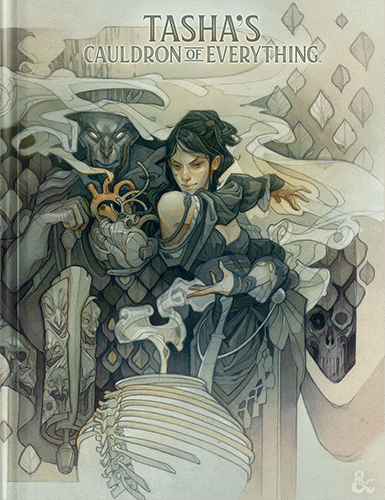
    Seven Things I Love in Tasha’s Cauldron of Everything.

    More significant to me, was the fun of flavoring the Gathered Swarm. The connection to the fey spirits that are the swarm is what powers this subclass. How those appear is nearly infinite. The book suggests pixies, twig blights, birds, insects – do not limit yourself to those stories.

    Thoumas’ swarm appears as significant number of cairn terriers. They can do anything another swarm can do, because these are fey spirits. How they do it is up to the player. In play I described the swarm as abnormally playful (terriers are basically fey creations anyway), to include the way they fetched the thrown daggers after the combat (this is essentially Mage Hand, reskinned).

    There was also description of Thoumas reaching down to pet his swarm. They don’t exist except as spirits, except when they manifest, but the natural habit of his time with dogs in reality emerges frequently. He converses and experiences life as if these are real cairn terriers.

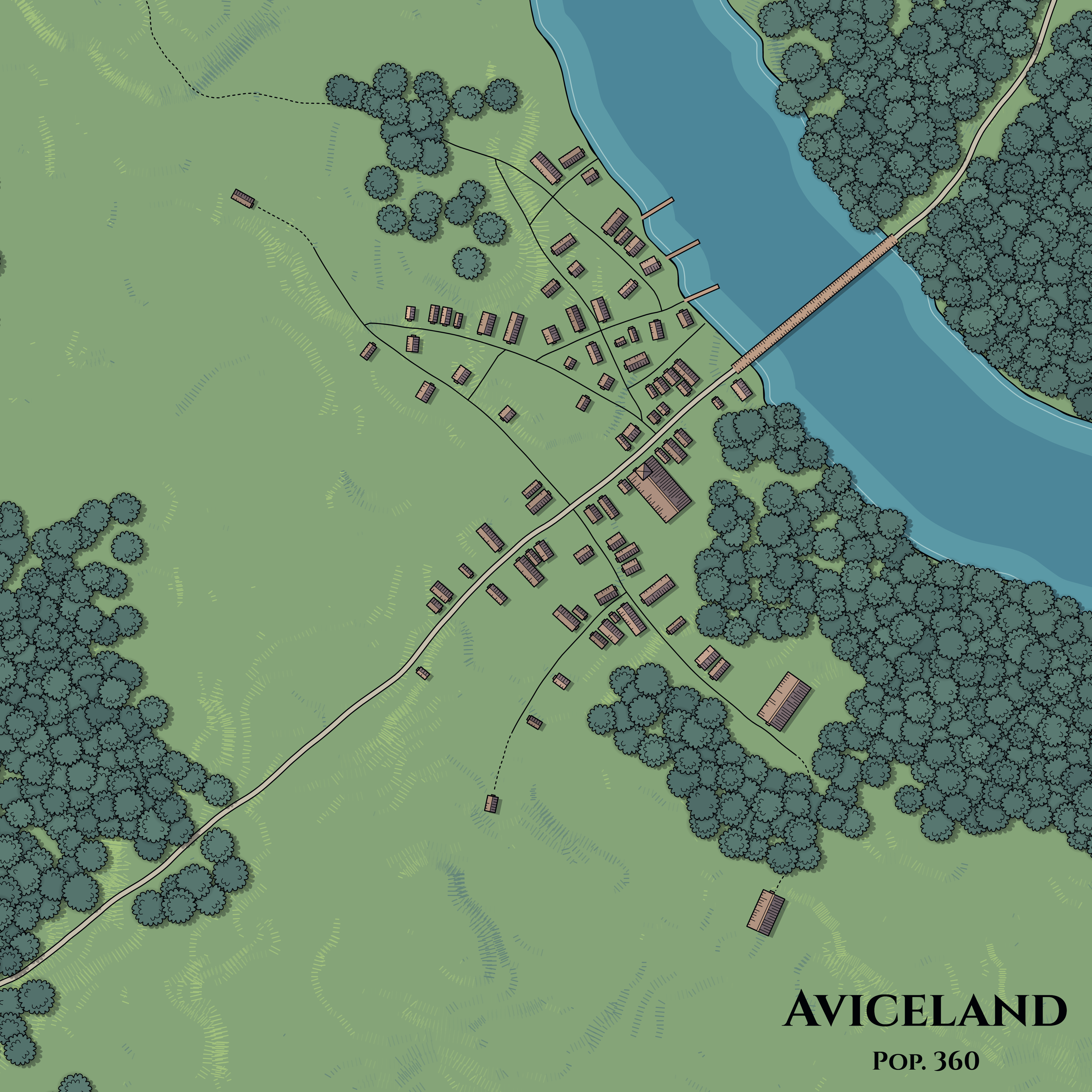
    Aviceland was created using the Village Generator

    Part of my build process for any character is to imagine where they are from and how they became heroes. It informs my play. Often using the Traits, Ideals, Bonds, Flaws from the chosen Background, the vision that emerges helps inform roleplay in the game.

    Personality Traits
    Rich folk don’t know the satisfaction of hard work.
    I am unmoved by the wrath of nature.
    Ideals
    Balance. Do not hunt the same spot twice in a row; suppress your greed, and nature will reward you. (Neutral)
    Bonds
    I will hunt the many famous forests of this land.
    Flaws
    I am inclined to tell long-winded stories at inopportune times.

    Thoumas is from a small village, and even then he lived on the outskirts, separated from the other families by a small wood out in the southeast corner of the map.

    He, and his family, hunted, but never over-hunted the region. The Kern clan of gnomes were tied to the land, working as a bridge between the people and the animals. This helped explain why he became a Ranger, eventually. As a gnome (or halfling) having a pack of terriers help the family just made sense. Pets are fun, both in real life and in gaming. Including working pets in the apocryphal world of D&D is something I do frequently.

    Overall, Thoumas felt as powerful as the other characters, but again, more important than the power was the story that could be told of this tiny man with a swarm of terriers serving him as an extra set of hands and even some pesky little biting.

  • What Tools Tell You About Your D&D Character

    What Tools Tell You About Your D&D Character

    Within Tasha’s Cauldron of Everything there is an optional rule that allows you to create a character that shifts their proficiencies around. No longer is every Dwarf a brewer, mason, or smith. No longer will every Elf know how to use a sword.

    The ability to swap these out lets you tell new stories through new mechanics. But the change to the game mechanics are quite minor. Half the classes already allow the weapons that the Dwarf and Elf start with in the Player’s Handbook, in this case many optimizers will take Tools in order to expand their skills.

    Yes, this expands the powers of certain combinations Race and Class. Frankly, ignore that tiny tic up in power.

    This optional rule in Tasha’s grants you the ability to expand the story of your character.

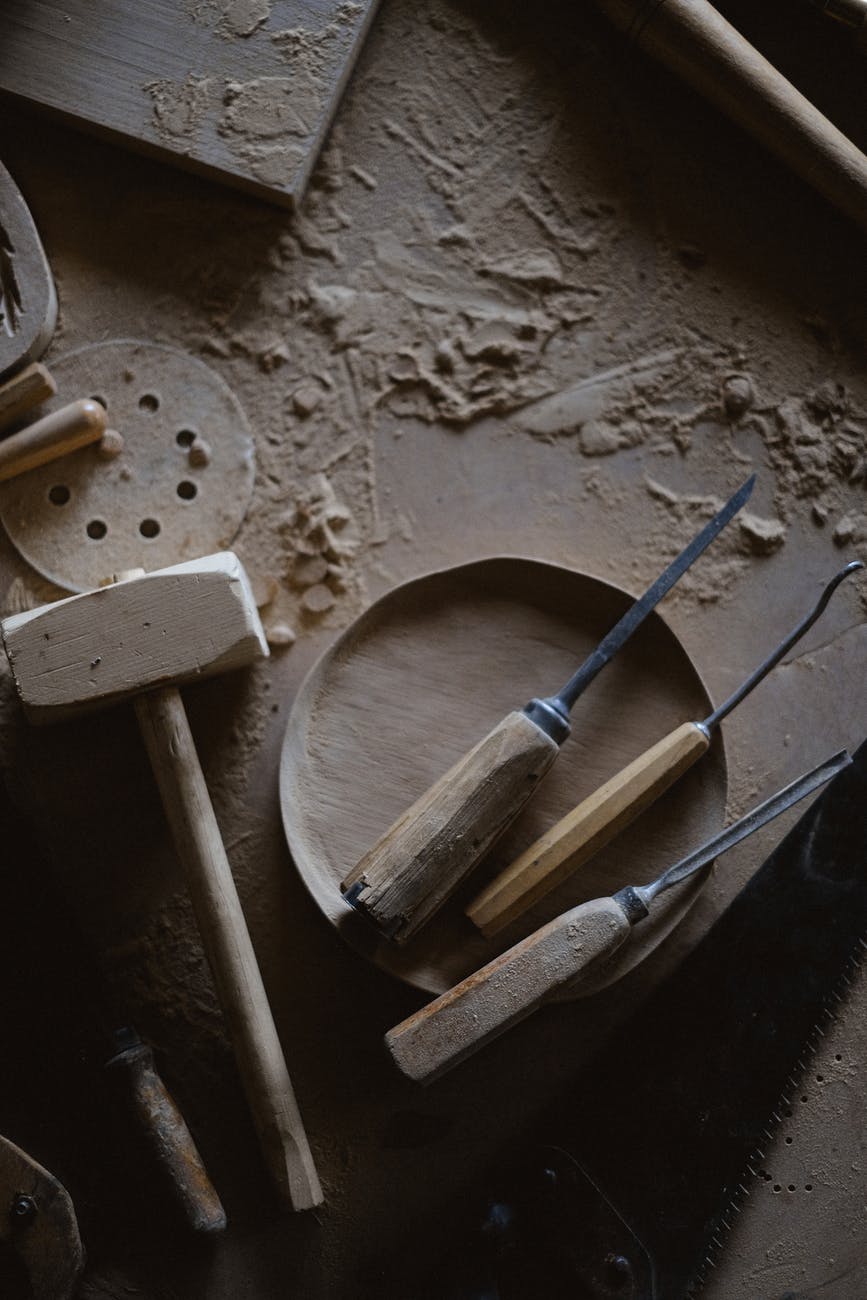
    Photo by Anna Shvets on Pexels.com

    Since your Dwarf didn’t grow up knowing masonry, but instead was a woodsman, what does Woodcarver’s Tools mean for them? Were they part of the crew that regularly left the caves of the fathers to harvest the massive trunks that became reinforcement for the great halls? Or were they just not raised among their people, instead taking their mother’s stone carving tools but applying those to the softer structure of wood to create art?

    Your High Elf that did not learn the sword and bow, maybe instead they have Coffee Gear and Insight, because they founded a cafe where they interacted with wizards, nobles, and adventurers. You aren’t a warrior by nature, instead you are someone who understands the people who go out and see the world beyond the city.

    Photo by Tom Swinnen on Pexels.com

    Like so much of Tasha’s Cauldron of Everything, the mechanics by this decision do not create power creep – they fashion story creep. There are 25 tools, plus Gaming Sets and Musical Instruments. Your character that has more of these than typical or usual has reasons for these.

    As you generate new ways that your spells manifest (one of my favorite suggestions in Tasha’s) you should generate the reasons for your differing skill set from the classical presentations within your race. Whether it is all in your head, or a single line on your character sheet, a hint in the art you commission or draw, or an entire blog entry is up to you, the player.

    But it should be there, because the 1000 thousands of stories that can be told in any game session originate in the mechanics, but the mechanics aren’t the point – the story is.

  • 7 Things I Love in Tasha’s Cauldron of Everything

    7 Things I Love in Tasha’s Cauldron of Everything

    Tasha’s Cauldon of Everything is packed with new mechanics to add to the game. The expansion of racial options, which reduces but doesn’t eliminate the bioessentialism in D&D, and the new class options was the focus of most of the attention of previews. Now that the book is in the hands of the masses there a few other things that deserve your eyeballs, your character sheet, and your campaign.

    Wizards provides this handy list about how to get your handses [in voco Gollum] on the book, but we strongly recommend supporting your local gaming store. The main digital play tools all have Tasha’s at this time and are in various stages of integration for what is a massive update and reworking of character creation.

    Lean Into Personalization

    While every player-facing book in 5th edition talks about creating your character’s identity through minor reskinning of features, none go as heavy into this as Tasha’s. There aren’t just lists. Through the ample use of sidebars and even art, the designers make it clear that your character is yours, and how that character presents itself is up to you.

    The art with the chicken-shaped Magic Missiles is the most clear demonstration of this concept.

    I’m leaning into this with a Swarmkeeper Ranger whose swarm is a bunch of terriers. They can nip the opponent’s heals, overwhelm them and force them to move, pull me to safety, and even fetch my spent ammunition after the fight.

    Make the world yours, that’s what Tasha would do.

    Battle Master Builds

    The Fighter’s two non-magical subclasses from the Player’s Handbook can lack the identifying traits that connect them to fantasy literature in ways that every other subclass does. Tasha’s helps solve this by providing some sample builds for the Battle Master.

    Each example includes the fighting styles, maneuvers, and feats that help create a cohesive identity rather than have a character that is merely a collection of mechanics.

    With a sampling of those mechanics and about 50 words your Battle Master transforms into a representation of the legendary heroes of yore, that is uniquely yours.

    Session Zero

    Many, many, many blogs, vids, podcasts and articles over the decades have focused on Session Zero. Nowhere has the concept been laid out as clearly in a book produced by the maker of the game.

    Adding this guide to what will almost certainly be the 4th best selling book in the arsenal of official products will help so many people who want to try the game. New players and new DMs will have a foundation upon which to establish their own social contract.

    Sidekicks

    Puppy! Wait, no warrior-wolf.

    Scheduling play sessions during a global pandemic are a different struggle than they were in the Before Times. Getting a group together, using the same technology. In games with only 1 or 2 PCs having a sidekick can help solve the issues of game balance and limit the chances of a total party kill. They also fit the stories we try to tell.

    Here, again, the creators used art to provide examples of the variety of sidekicks that can be created through the three “classes.”

    The Expert shows up as a tortle scout/navigator, a winged kobold with some kind of charm, and a kenku historian/sage. The three versions of the Spellcaster are a bullywug wizard, a goblin mage (love that pink dress), and a tabaxi oracle with a pack of extra large scrolls. For the Warrior the art is of an aasimar with a sword & shield, a wolf, and a firbolg chef ready to smash someone with a cast iron pan.

    Class Icons

    Each of the 13 core classes (Artificer is in two books, it’s core now in my mind) has a icon that represents them. These small images are not new (they’re in the Player’s Handbook), they are just more obvious in their presentation within Tasha’s Cauldron of Everything.

    They’re a clean look that I hope to see on merch at some point. Many third-party D&D inspired jewelers and apparel companies use class iconography. There is no reason why Wizards shouldn’t embrace this as well.

    Parleying

    People have been homebrewing versions of this for years, but including it in such a common book is important. D&D is, at its core, a combat game. But it doesn’t have to be and more rules to demonstrate that are good.

    Hints, Allegations, Rumors of What’s to Come

    Hidden within Tasha’s in character conversations and the rules sidebars are a plethora of hints about the future of the game. All attempts to figure out what these mean will be futile fun. Search them all and you too can shout “[setting name] confirmed.”

    What are you looking forward to using from Tasha’s?