

As Wizards of the Coast makes changes to how race & lineage impact character creation there is some pushback towards removing Ability Score Increases from race and having that instead be a floating adjustment. There are many proposed adjustments and several games or third-party products include adjustments to this part of the system, to varying degrees.
Ancestry & Culture and Level Up are the two that I’ve been most intrigued with to this point. My home game just uses floating ASI for simplicity’s sake. Another movement tries to connect the ASI to Backgrounds. One such proposal on reddit suggests this because;
The backgrounds we have in basic 5e are fairly lackluster. Here’s some tools and a little feature. It’s kinda meh. You can almost skip them in character creation.
What I’d like to see are dozens of backgrounds that provide: tools, languages, equipment, more substantial features, as well as appropriate ASIs. They could provide so many more variations with every published book as well as allow for plenty of homebrew.
There are a few reasons this suggestion would not work at my table, and isn’t recommended.
- You can already suggest that your Floating ASI connects to your character’s Background. As well as writing your character’s story as if the Floating ASI connects to your racial/species/lineage origin, or to Class, or whatever element you want. This empowers players to tell the widest variety of tales possible.
- Assumptions about weak/strong, or unintelligent/smart people in specific roles aren’t as bad as those connected to race, but they’re still not great. Being a weak Farmer is a good story, whether or not the character is a Remarkable Drudge.
- Backgrounds already do a lot of mechanical work. Embrace those mechanics. Their design tells your table so much about who you are and why you do the things you do. The Background rules do not need to change. They need to be used.
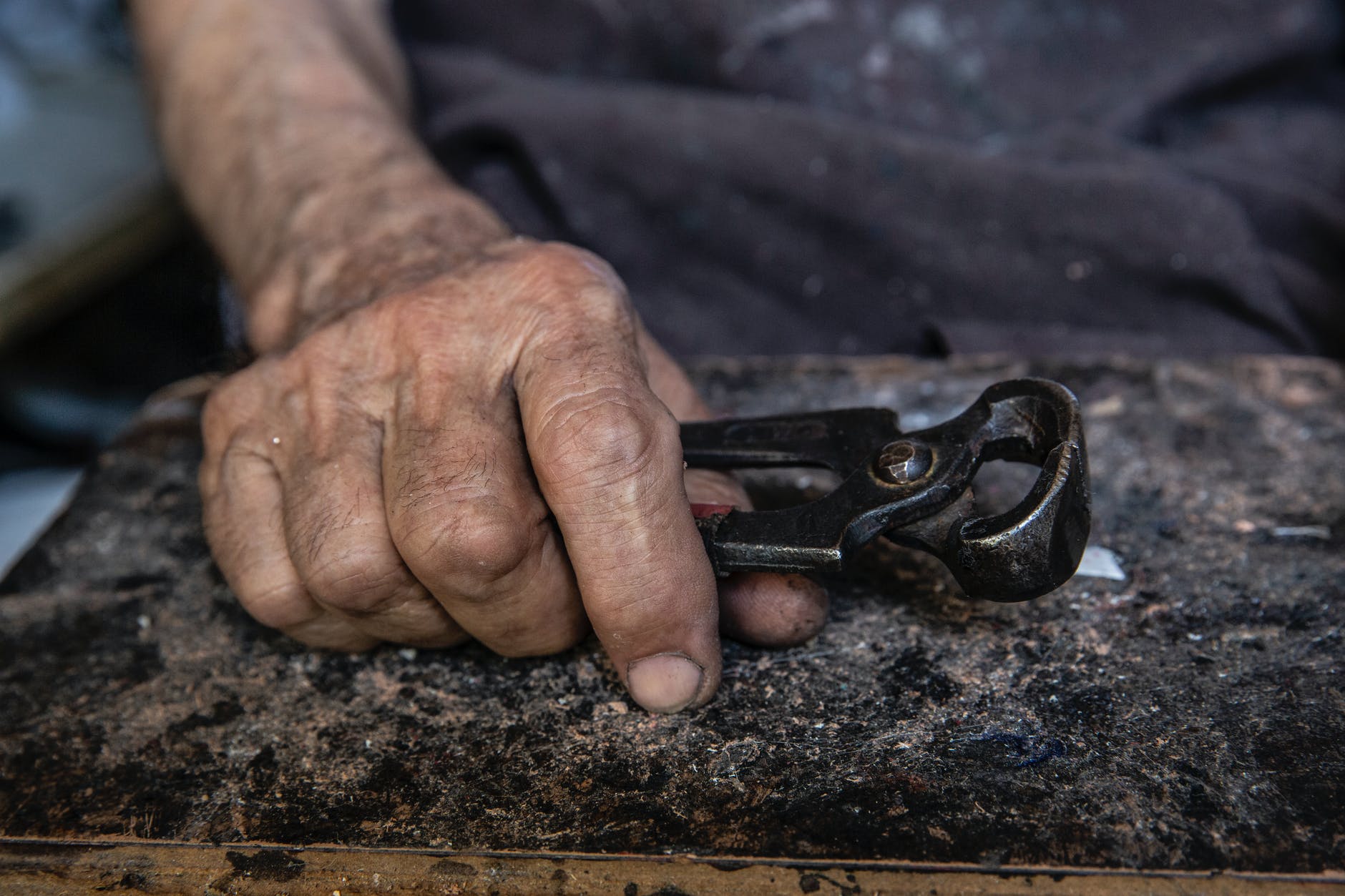
Mechanics of Backgrounds
To review every Background in Dungeons & Dragons 5th edition as written includes two skills (roughly 1/4 to 1/2 of the skills your character begins with), two languages/tools/games/instruments/kits (closer to half of the beginning amount), and a social or exploration themed feature. A removal of Backgrounds further reduces the social and exploration pillars bringing the game back to its wargaming roots, which ignores current desires of most gamers.
This change also ignores the Traits, Ideal, Bond, and Flaw system. These few short sentences are guidance towards personality, more so than the archaic use of Alignment. They tell you about the who of your character. They are not a complete personality, but a snapshot. This system also adds mechanics to roleplay. When a character plays their Traits, Ideal, Bond, and/or Flaw they are granted an Inspiration Die. This d20 is consumed when a player wants to grant their character advantage (a handy house rule is that players can grant each other an Inspiration Die based on roleplay too). Having advantage is powerful. The math shifts.
Together there are ten mechanics attached to Backgrounds. TEN.
Plus those mechanics attach themselves to something else that race and calls do not — the story of what you did Before. Your zero to hero journey is fundamentally intertwined with Backgrounds.
Backgrounds Empower Story
What were you before you picked up a sword or spell to fight a bandit? How did that upbringing and background inform who you are becoming? Real world ‘adventurers’ are not the same, even if they are from the same ethnic group and took the same adventuring job. A studious nerd from the ‘burbs who became a linguist with the Special Forces has a different story from the hunter from rough rural lands who became a linguist with the Special Forces.
Tools aren’t ‘meh.’ They are powerful ways to talk about what your character is outside of combat. Tools are one of the best ways to explain your character’s hobbies. And your character must have a hobby. People in the times that inspire our game had hobbies. Tools are also ways to tell cultural stories about a region. The existence of an expert coffee roaster or athlete carries worldbuilding implications. Knowing more languages than typical speaks to a character’s education (either by book or by street or by silk road)
Those social and exploration features are some of the only ways that a Fighter will have social and exploration mechanics. The class is so blank slate that without Backgrounds that hole is massive. They also augment the ways that the rest of the Classes interact with those pillars of the game.
Backgrounds help D&D players differentiate their characters by adding another layer of story from Before as they begin to tell the story of Now.
Custom Backgrounds for 5th edition Dungeons & Dragons
- Barker or Crier
- Remarkable Drudge
- Farmer & Beekeeper
- Vintner
- Midwife
- Caravanserai & Innkeeper
- Sparkler
- Tinker
- Lamplighter or Street Sweeper
- Herbalist
- Far Talker
- Hunter
- Messenger
- Clerk & Tax Collector
- Barber, Stylist or Bloodletter
- Cabbie & Ferien
- Clothier or Weaver


Leave a comment