Category: Ken

The People of Knowledge in the World of the Everflow. They knowers are fey creatures like dragons, elves, dwarves, and gnomes.

  • Ferments, Session two: Punch chickens, Malk the taker, Lenny the lynx

    Ferments, Session two: Punch chickens, Malk the taker, Lenny the lynx

    The second session of The Ferments campaign, an East March style took place again at West Thundermoon Trading Post.

    Again, the session started with rolling on the random encounter chart. Only one of the encounters happened, as there was a lot of great roleplay between the characters.

    That encounter was with “Chickens with arms and fists” also referred to as “punch chickens.” These larger-than-a-turkey chickens have humanoid arms coming out of their wing joints and are semi intelligent.

    The Ferments reading;

    Session two started with a brief recap of the last session and a reminder of the nature of the East March campaign — problems come to you.

    Then Keesrah spoke to her brother, Caile, about the situation with the open door up to the game trails. That conversation leads to the discovery that the brother is dating one of the goliaths in the rival clan up in the hills. Keesrah leans on the young love bird to keep the doors and gates closed as the brother mocks Keesrah for the fight with the fire snakes.

    Ellis, a guest (another PC) enters the compound seeking materials for their homestead. He’s taken over an abandoned plateau homestead nearby. Those religious zealots left the region nearly 30 years ago during the time of the born generation. With decades of wear on the home, mill and other equipment Ellis will have to work hard to reopen the spring-fed mill and granary.

    Needing smithed goods, Ellis chats with Keesrah’s father, Cay, and the goblin Malk. During those conversations Keesarh and Ellis learn that Malk is not merely a refugee, but has strong goals to learn how to take the magma and steam power from The Ferments to the Queen.

    This learning is specifically called out in the quick recap as a note for all players. As was the brother's love interest.
    One piece of advice I try to follow is to remind players of the clues their characters learn. Our memories of a game are more fallible than our characters' memories of their lives.

    Learned clues

    • Malk (goblin leader) is a taker. They want to take whatever they can from The Ferments that helps the Queen.
    • Keesrah’s brother has a lover up with the Goliath Clan Drudzhar.
    • Ellis homestead was previously abandoned by religious zealots during the Born Generation when magic returned.
    • Someone is creating animal hybrids.

    Those first three clues are from the conversations between the characters and the named NPCs.

    The fourth clue was an interjection because I could tell the table needed some action, plus there were two random encounters rolled and we hadn’t gotten to either.

    Using the open door to the game trail from session one, and the obvious wealth of the trading post as inspiration the punch chickens were the easier of the two random rolls to integrate.

    Punch chickens

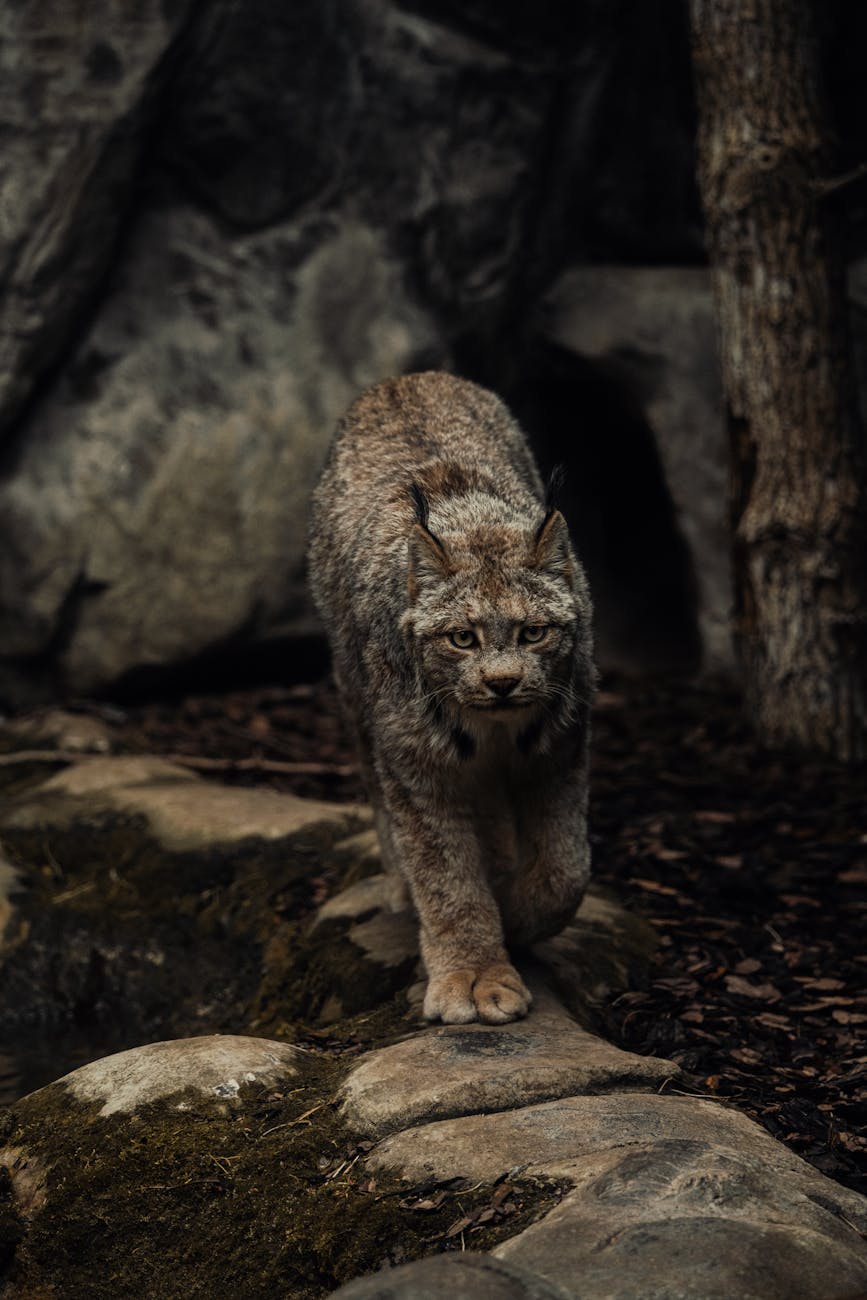
    Three punch chickens are discovered by Ellis’ lynx, Lenny. The lynx flushes them out of one of the merchant booths. Those armed chickens are carrying some goods away, sprinting towards the open door.

    What are punch chickens?

    Statistically they are axe beaks (Black Flag page 371) that punch rather than poke. Their special ability of Evasion turns out to be too significant for 2.5 combatants.

    Deadly encounter

    This is a deadly encounter with two characters and one combatant animal companion. The action economy combined with consistent dodging means both characters are dropped unconscious. The final roll comes down to Ellis’ lynx versus a wounded punch chicken. The lynx lands the fatal blow.

    Keesrah did bar the door preventing a simple escape, so even if they had completely failed there was a narrative success available via the peasants and non-heroic NPCs.

    Keesrah’s mother, Velthuria, helps the group heal.

    During the recovery the group used some social checks to learn that the punch chickens likely originate from a group that myths call the Children of Chorl (an evil transmuter who tried to create various hybrid creatures).

  • Inkling Dragon

    Inkling Dragon

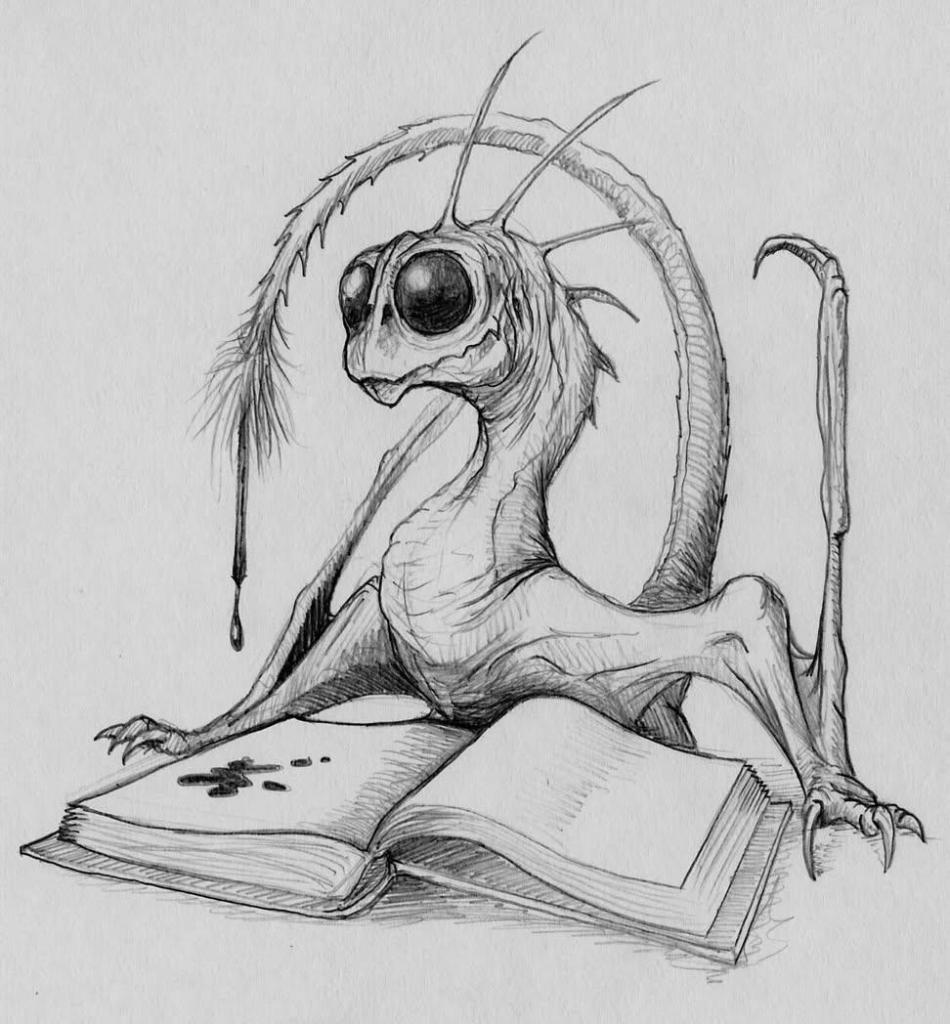
    Inkling Dragons are thought to be related to pseudodragons, but where the pseudodragon is a wilderness lover the inkling dragon is generally an urban drake that enjoys being surrounded by books, scrolls and pamphlets.

    Generally the size of a large rat or small cat inkling dragons can be mistaken for an immature jaculus drake. As all dragonkin hoard something, an inkling dragon is consumed with the pursuit of knowledge and writing, similar to paper drakes.

    An inkling dragon without a companion can be found in libraries, universities, bardic colleges and wherever records are kept. Some are creatives writing fiction and song. Others are historians, tracking the world through the written word. At least one inkling dragon is known to only write in mathematics. This inkling dragon, Aymon, is a friend of transmuters, tax collectors and merchants often working as a clerk or calculator.

    The Inkling Dragon was created as part of a limited commission in the upcoming book Dragons of the Dwindling by Dragons of Wales (Andy Frazer).
    Follow Dragons of Wales on Instagram, Threads and Mastodon. Support Dragons of Wales on Patreon.

    Inkling Dragon companions

    Frequently inkling dragons and writers bond over their love of the written word. Sought after by many wizards and writers, an inkling dragon chooses their companion as much as their companion chooses them — the tiny dragon has to find the work engaging and relevant to their own writing.

    1. Wizard
    2. Bard
    3. Propagandist
    4. Novelist
    5. Poet
    6. Merchant
    7. Tax collector
    8. Cleric
    9. Clerk
    10. Noble

    This work includes material taken from the Black Flag Reference Document 1.0 (“BFRD 1.0”) by Kobold Press and available at Black Flag Roleplaying

    Pencil sketch of a tiny dragon resting on a book. The pointy tail arches over the back with drips of ichor coming out of a feathered tip. The arms seem to be vestigial wings with opposing fingers capable of handling obects
    Art by Dragons of Wales in the forthcoming book Dragons of the Dwindling

    Inkling Dragon stat block

    Inkling Dragon (CR 1/4)
    Tiny Dragon

    Armor Class 14 (natural armor, small size)
    Hit Points 8
    Speed 10 ft., fly 30 ft.
    Perception 11 Stealth 12
    Resistant none | charmed
    Senses darkvision 30 ft., keensense 10 ft.
    Languages Common and four other languages (or cultures)

    STRDEXCONINTWISCHA
    -3+2-1+4+1+1

    Heightened Senses. The inkling dragon’s Perception is 20 when perceiving by sight. Ability checks for Perception using sight use Intelligence.

    Magic Resistance. The inkling dragon has advantage on saves against spells and other magical effects.

    Limited Telepathy. The inkling dragon can magically communicate simple ideas, emotions, and images telepathically with any creature within 30 feet of it that can understand a language it knows.

    Copying a Spell into the Book. When an inkling dragon or its companion finds an Arcane spell of 1st circle* or higher, the inkling dragon can add it to a spellbook if it is of a spell circle the companion can prepare and if they can make time to decipher and copy it. For each circle of the spell, the process takes 1 hour with no gp costs. Once the inkling dragon spends this time, the companions can prepare the spell just like their other Arcane spells. Copying a spell from a scroll into a spellbook doesn’t consume or destroy the scroll. Non-magical writing is written four times as fast when compared to humans. The inkling dragon produces ink from its tail as long as it isn’t at level two exhaustion or higher.
    * Black Flag uses circle as D&D uses spell level.

    Ritualist. An inkling dragon with its own book can be a Ritualist, per the Black Flag Talent. The spell source is Arcane. Intelligence is their spellcasting ability. The inkling dragon knows one 1st circle ritual (typically Identify). If the inkling dragon is a companion to a spellcaster it can learn rituals at the same circle and source as their spellcasting companion.

    1st circle Arcane rituals

    • Alarm
    • Create Familiar (these can only be common beasts)
    • Identify
    • Illusory Script
    • Unseen Servant

    ACTIONS

    Sting. Melee Weapon Attack: +4 to hit, reach 5 ft., one
    creature. Hit: 4 (1d4 + 2) piercing damage and the target must succeed on a DC 11 DEX save or be poisoned for 10 minutes. If the creature fails the save by 5 or more, it is stained by ink per Ink Stain below. This staining does not count against the number of uses per day.

    Ink Stain (1/short rest). On a successful sting the inkling dragon can mystic mark (Ranger) one creature. While a creature is marked (including for the attack that triggered the mark), the inkling dragon and allies deal an extra 1d4 damage to it (of the same damage type as the weapon) each time you successfully hit it with a weapon attack. A marked creature can use an Action to remove the Ink Stain. An inkling dragon that is a familiar or companion to a character may use this ability proficiency bonus (of that character) times per day rather than once per short rest.

    Fediverse Reactions
  • Proctors of the Everflow: Campaign one sheet

    Proctors of the Everflow: Campaign one sheet

    This is an introduction to the seventh campaign set in the World of the Everflow. The most significant difference between these and the previous campaigns are that the player characters are all members of the Proctors, a group that once completely restricted magic from entering the Land of the Six Kingdoms.

    The campaign will start in the city of Ras Rurulit in Daoud shortly after the PCs were dropped off there. They have a safe house. Operating in the city either in hiding or in open defiance of convention will be up to the party.

    Campaign Premise

    Your group of Proctors are working together to capture and contain the Book of the Word and the Book of Dance, two groups of Scholars active in southern Daoud. You are authorized to use any measures necessary to control this group. They have been teaching well beyond just a Scholar and two Students – end them.

    Background

    In the last passing of the Dragon, the fourth moon, the World of Everflow experienced the return of magic, the introduction of goblins with smog teknologies, and empowerment of animal companions. Native to the Lands of the Everflow, the Kin all have animal companions, some learning minor magics. Rarer are those whose companions are empowered.

    The fey Ken object to these souls casting spells. Their Proctors crush the spread of magic and seek the Lorebooks from the seventeen schools where spellcraft was trapped. As the Ken invade from the west and the Six Kingdoms’ borders are rewritten, a forgotten peoples float on airxips from the north. The Kon are a smog-punk society with klackety, noisy tek coming from an island of guilds and invention.

    Heroes rise with their animal companions joining their journey. From humble beginnings these heroes show the power of fellowship and share knowledge with the greater world.

    In this case, the PCs are not heroes. They are not antiheroes. They are the Ken, people of knowledge, hoarding and limiting magic from the common people in the Six Kingdoms.

    This map is what the initial intelligence of the Ken thought the Six Kingdoms looked like. It’s quite wrong. Your group of Proctors are in the far south of Daoud, a rough land similar to the non-desert coastal Maghreb.

    Grand Conflicts

    • Proctors versus Scholars
    • Proctors versus the rare Gobkon in the south
    • Do the Elder Dragons really know best?

    Factions

    • The Book of the Word – book based spellcasters
    • The Book of the Song – music based spellcasters
    • Fleet of the Silent Knight – Daoud’s force responsible for maintaining control of the bay.
    • Isarnalijik and Isamamimir’s Squadron – the remnants of land forces who insist they are the rightful heir to the desert lands.

    Rumors

    • There are many colleges and universities in the land.
    • Magistrate Sas Rurulit is the greatest singer in Daoud’s history.
    • Ishurrumukuf has been taken over by one of the trade guilds of Qin
    • A great storm is coming from the West.

    Facets

    • The group are a collection of secret agents or special operators. They may act undercover or violently during the mission.
    • They have one ally to start, Sabrinigha. She runs the safehouse and is a halfling of the born generation slowly discovering spell craft.
    • The lack of animal companions will be obvious. They’ll need a cover story.
    • In traditional D&D this mission would be Lawful Evil.

    Variant Rules

    • Ken start with a Feat that grants a 1st level spell such as Magic Initiate.
    • Short rests are 8 hours. Long rests need sanctuary and 12 hours. This leads to a pace more similar to a novel.
    • Find Familiar and similar spells are banned from PC knowledge at the start of the game.
    • 50% of Enchantment spells no longer exist. This will not impact your spell choice.
    • Use point buy or standard array for starting attributes. If you want something random, the redrick roller gives random point buy valid stats.
    • Start at 7th level because the Proctors are powerful.
    • There are several custom backgrounds and tools available. We will use cultures, not languages. Each character will start with “Daoud (Common to the area) and Ken” for their cultures. If your PC would have more languages discuss that with the DM.
    • Each character will start with 500+1d10*25 gold to spend on mundane items or to put in a pouch and use as spending money.
    • Each character will start with TWO COMMON magic items, plus an Oriq Mask (see Strixhaven) and one RARE item based on the character’s Background and role within the Proctors. That Rare item will have story elements to it, may get stolen. May level up. We’ll see.
    • Each character must be be a spellcaster, but no Druids or Clerics or Rangers. Proctors serve the Elder Dragons, not gods or nature.
    • Every character must represent one of the Proctor factions – Seeker, Defender, Striker. The chart below shows a few examples.
    SeekerDefenderStriker
    Wizard
    EvokerX
    DivinerX
    AbjurerX
    Warlock (dragons)
    ArchfeyX
    FiendX
    Great Old OneX
    Sorcerer
    DraconicX
    WildX
    Rogue
    Arcane TricksterX
    Paladin
    AncientsX
    Devotion
    Monk
    Four ElementsX
    Fighter
    Eldritch KnightXX
    Bard
    LoreXX
    ValorXX
    Artificer
    ArmorerXXX
    ArtilleristXX
    AlchemistXX
    Battle SmithX
    Subclasses in other 5e Wizards of the Coast and Kobold Press books may be used as well.
  • Integrating social narrative into combat – legendary points connected to a dragon’s hoard

    Integrating social narrative into combat – legendary points connected to a dragon’s hoard

    In the World of the Everflow all dragons have hoards. At this point of Uprising and Rebellion the group has met those that hoard books (paper dragons), jewels and fine art (jaculus), animal companions (black dragons) and strife (blue dragons).

    Heading towards the final faceoff with the great wyrm blue dragon there’s a desire to connect the size of the hoard in that Wyrm’s sphere of influence to its power – subsequently allowing actions by the players to reduce the hoard.

    This will be done by combining the Legendary Resistance and Legendary Action pools. Legendary Resistance will still be a use and lose item while Legendary Actions will be regained at the start of the dragon’s next turn. A pool of physical objects will symbolize the size of the pool. This will represent the intelligence the group learns about the Wyrm.

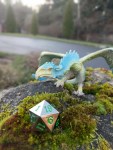
    A blue-green dragon atop a mossy rock leers over a large d20. Behind it is a river
    The Wyrm watches the d20 rolls

    The Blue Wyrm currently resides in the mayor’s palace, having thrived off the strife caused by the rebellion and the Mayor’s corruption. But the heroes have shown that their rebellion is built on hope, a less stratified society and a city capable of trade again. Now just three dragons stand in the way of freedom, possibly.

    Things the characters could do to reduce strife;

    • Healing, feeding Kirtin-on-the-Lake’s residents
    • Freeing animal companions bound to Shadow and Darkness, the two black dragons
    • Increasing trade of desired goods within the war torn city
    • Establishing a popular governance path after the Mayor’s abdication
    • Reducing the size of the 7th Fleet encampment outside of the city
    • Teaching utility cantrips

    I’m certain the party will surprise me with other ideas.

    Things that can increase strife;

    • War with the 7th Fleet
    • Teaching more attack cantrips
    • The Mayor reclaiming the seat of government
    • Open battle in the streets

    They will again surprise me with ideas that create a less peaceful city.

    The Wyrm is going to start with five legendary points in the penultimate session for this story arc. The session will be split between the plan to pick the territory of battle (palace, tunnel, cave) and preparations that could include reducing the Wyrm’s power.

    This tweak to the standard rules should connect a social session to the grand combat ending the Wyrm’s arc.

  • “Mom, where do dragonborn come from?”

    “Mom, where do dragonborn come from?”

    That’s a question I didn’t have an answer for. A player wanted to be a dragonborn, but they don’t exist in the world as I built it. That’s not always a great reason to not allow a race.

    When you build a limited world players either need to buy-in completely or you can work together to figure out how the character fits.

    When a player asked to be a warforged he came up with an incredible backstory. They were the only warforged, built by those that became gods. Wakened for unknown reasons (we knew it was because of the rediscovery of the powers that those who created them used) the warforged is an outsider who knows that the myths of the founding are reality, that idyllic times of the past can be recreated using the same tools that the past used.

    This also made sense because the player wasn’t familiar with the world as it is. Instead they created what it was and together the player and character learned the current reality.

    When I was approached about a player being a dragonborn I wasn’t ready. We worked the character in with no backstory, knowing that at some point it will come up again.

    Then DnDBeyond presented the following idea;

    The Rise of Dragonborn and Kobolds

    As the Dungeon Master, you can craft unique origins for draconic folk like dragonborn and kobolds. You could decide that the burst of magical energy released by a dragon’s death could lead to the spontaneous emergence of these people in nearby areas. Just as mysteriously as a dragon egg could appear, a dragonborn infant could be found napping among resting sheep. In such a case, would the party be responsible for ensuring the child’s safety? And what will they do or say if the child has been imbued with some of the dead dragon’s memories? Such an ill-fate could lead the child to grow up to resent the party and even become a villain themselves.

    What Happens When a Dragon Dies in D&D?

    Now, my brain started flowing.

    The dragonborn PC would be the ‘child’ of the first dragon the party had slain. They would be the embodiment of some part of the dead black dragon, with others born of the slaying being all of the evil parts. Some would even be able to bond and break bonds of animals. Black dragons hoarding bondings, making them incredibly hated in the World of the Everflow.

    The player took this up, learning about his characters birthing through play. The group has encountered a few other dragonborn, always black.

    This also gives the group something to think about — they’re about to fight up to three more dragons. What will that mean for the future dragonkin? Will they be mostly evil as the first dragonkin?

    Lessons for any DM

    • When a player approaches to play something unallowed in your world try to discover a lore path towards yes
    • Is it just the mechanics they want? Re-lore the banned item into something that makes sense
    • Use this opportunity to build a world together, rather than have it be only the DM’s world
    • Every thing you read is prep for your next session

  • Inkling as a Warlock familiar

    Inkling as a Warlock familiar

    The Strixhaven mascots make great familiars, but they’re a bit weak compared to the other options available after 1st level. The imp is clearly the power-play. It’s a CR 1 monster, not the 1/4 and 1/2. And while that’s not a significant problem, it’s one that can be fixed. What would you need to do to make the Inkling Mascot a more permanent companion/familiar?

    Recently other companions are designed around un-fluffed stat blocks. The Primeval Druid has a beast, but all description is up to the to the player and DM. One of the players in the Uprising & Rebellion campaign is a multiclass Warlock-Rogue, who just leveled up in Warlock and took Pact of the Chain for the slightly boosted familiar.

    Combining the player’s desire with recent history means I’ll be making a few adjustments to Nerinmil’s familiar.

    First, the quick part. A bunch of stuff is going to get that character’s Proficiency Bonus (Stealth, to hit, a bonus Armor Class, uses of Ink Spray per Long Rest). We’re also going to add Perception as a proficient skill, because the player has mostly been a ranged attacker and spy who wants to enhance their current role via the familiar.

    Because the player really liked the imp, I’ll be granting the ooze-y Improved Inkling resistance to bludgeoning, piercing, and slashing damage. Also, because of that spy role desire, I’m adding in a Reaction: Ichorous Form – When an opponent makes an opportunity attack the Improved Inkling may take use its reaction to flow around the attempted attack if it has perceived the attacker. That opponent than has disadvantage on its attack role.

    We’ll also be boosting its mental attributes to Int: 10, Wis: 12, Cha: 10 and dropping the Strength to a 6.

    Spot hanging out in his bottle (photo by Jill Burrow on Pexels.com)

    Armor Class 16
    Hit Points 18
    Speed 10 ft., fly 45 ft. (hover)
    Initiative +3

    STR: 6 (-3) | DEX: 16 (+3) CON: 14 (+2) | INT: 10 (-) | WIS: 12 (+1) | CHA: 10 (+0)

    Skills: Stealth +6, Perception +4 (passive 14)

    Resistances: Bludgeoning, piercing, slashing from non-magical weapons

    Immunities: Psychic, Blinded, Charmed, Deafened, Exhaustion, Prone

    Blot at +6 for 1d4+3 psychic

    Ink Splot is now 3/Long Rest at DC 13

    Reaction: Ichorous Form – When an opponent makes an opportunity attack the Improved Inkling may take use its reaction to flow around the attempted attack if it has perceived the attacker. That opponent than has disadvantage on its attack role.

    This was a quick and dirty reskin and improvement based on conversations with the player. It works for the world, where the founder dragons from Strixhaven are part of the Ken’s power center. It works for the character, because his rogue class will eventually be a Propagandist. Using a amorphous ink thing to pick up rumors to put in the broadsheet is perfect.

    tl;dr – reskin official creatures to make them appropriate for your world.

  • Here There Be Dragons

    Here There Be Dragons

    In most fantasy worlds dragons are hoarders of treasure. In some they are (also?) destroyers of worlds. There are worlds where dragons founded existence. On Krynn the chromatic and metallic dragons battle each other sometimes interfering in the lives of Man.

    In establishing the World of the Everflow I wanted a slightly different take upon how dragons (as well as other dragonkin) exist within the World.

    Dragons are part of the People of Ken. They are knowers of things, especially of magic. They, and all of the Ken, control access to magic of all kinds. For millennia of millennia they prevented the People of Kin (companionship and love) from knowing magic. Through the Scholars and the Proctors of Grace the Dragons and their followers (Elves, Dwarves, Gnomes) kept their thumb on magic, eliminating all but love and the healing power of the Everflow.

    Rather than piles of gold, a dragon’s home back on Ken (the continent) is full of scrolls, books, and tomes. The long lives of all Ken mean that their minds are full of mighty spells well beyond the standards of Dungeons & Dragons.

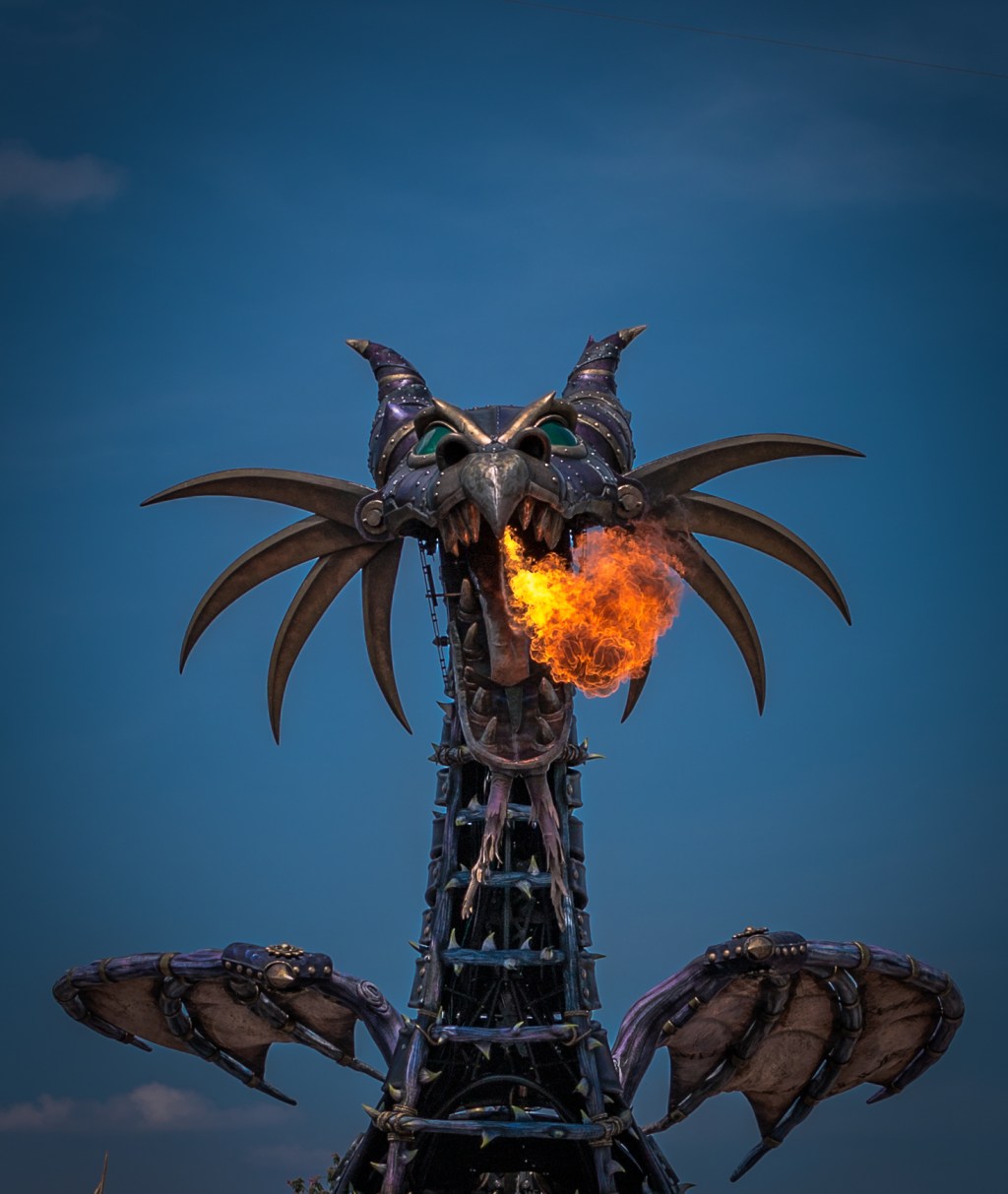
    Dragon breath by Nicklas Lundqvist (CC BY-SA 2.0)
    Dragon breath by Nicklas Lundqvist (CC BY-SA 2.0)

    Their immense powers are legendary, the same way that our modern world views dragons — a story so fictional it is not even legend. Statues and tales about dragons are created for artistic reasons.

    Within the current campaign the dragons are returning to Kirtin-on-the-Lake seeking an ancestral homeland in the Ward of Mighty Trees. These trees are essential to the Dragons life in ways that the group has yet to discover.

    Those Dragons, from the Ale Dragon Brewst Griselle to a mighty Red waiting on the southern plains of Kalst’s Field, are now quite real. Some fit in well. Brewst is small enough to fit inside buildings. He drinks and cavorts. His study of brewing, distilling, and vintning is familiar to the Kin. Yes, he’s different, but there is also familiarity.

    Other drakes do not cause fear, initially. They remind most in Kirtin and Daoud about the lizards of Mehmd, a Kin-ish kingdom that bonds with lizards more frequently than mammals.

    KOMODO DRAGON by NAPARAZZI (CC BY-SA 2.0)
    KOMODO DRAGON by NAPARAZZI (CC BY-SA 2.0)

    But, when those drakes fought they taught fear. Their breath of fire, or poisoned stingers, killed in ways that nature should not. The drakes are not as intelligent as a person. Unlike Brewst they do not speak. They consume. Negotiation is not possible.

    Brewst, and his companion gnome Oolia, are talkers. They also use the power of illusion and charm to work their way towards their goals. The governor and the group do not know these goals. They only know that the influence of the two continues to grow.

    They worked as advanced scouts for the Proctors of Grace. Their goals could be called fey-like as all of the magical Ken work in ways that are not familiar to Kin (Goliaths, Halflings, Humans). The plans of Ken take centuries or even millenia.

    When life lasts at least a few hundred years the approach to the world is incomprehensible to races that live to 100 at most.

    Now, our heroes have to discover how these plans impact life in Kirtin-on-the-Lake, and the two kingdoms. This process of discovery could be deadly, it will be challenging. In the end, life in Kirtin and Daoud will change. Our heroes will determine how much it changes and how the Dragons will be included, punished, or rewarded.