Tag: homebrew

  • Age of Myths, the Uncoupling: Campaign One Sheet

    Age of Myths, the Uncoupling: Campaign One Sheet

    For the first time I’m going to be playing a character in my world. One of my players in the last two campaigns is going to DM and together we set up the one-sheet so as to not change too much lore. One of the ideas I came up with early, was by playing in the Age of Myths, because any lore changes can just be referenced as legend when we play in the current era.


    The Road to the Uncoupling

    Your story begins in a prosperous world of togetherness and mutual can-do spirit.  Before the battle for the heart of Kirtin on the Lake (KotL) or the sacking of Kirtin in the Sky (KotS), before the Proctors spread death and misery in Sas Rurulit, and before the unprecedented events of the Awakening and the finding of Lorebooks, there was The Uncoupling.  The apocalypse that destroyed the weave of magic for the Kin and Kon, leaving Ken and the 5 coloured dragons of the Chromatic Convocation in complete possession of magik. 

    Players are part of a select group that were born with innate magical ability (you’ve been everflow touched) that is prized even in this magic-rich world.  Possibly you inherited your trait from a bloodline trait or ancestral ties to deeper magik of the Everflow.  It has shaped your early years, possibly enrolled at a young age by family in the scholarly studies to become part of the magik ruling core of society or you hid your talent and nurtured it on your own. 

    However, recently there have been rumblings, rumors about a shadow organization unhappy with the status quo, who seek to eliminate the existing ruling council and rule not by consensus but by force.  You’ve each been selected by the bronze Dragonborn Artok, tasked with this mission by his patron, the adult Bronze Dragon (Othimbane) who sits on the council, to identify and either infiltrate or forcefully break these fools of their notions and ensure that no other plots are forthcoming. 

    A global map of the world centered on the spaces where play in the campaign has occurred to this point.

    The following is written by the DM for this campaign.

    Premise 

    • This campaign takes at least three millennia before the Born Generation and the return of magic to the Lands of the Everflow.
    • Gain information about “The Shadows”, a secretive organization bent on wiping out the Ruling Council of Aur.
      • Artok has the rough information about several potential members that could lead you to a hideout or meeting place. 
    • Infiltrate or brute force your way into the group. 
    • Identify other members and find potential leads about who is the power behind “The Shadows”.
      • Keep (human council) and (gnome council) members apprised of your investigation. 
    • Possibly assist the council with additional tasks at your discretion.  

    Factions  (NPC names to come soon)

    • The Ruling Council of Aur (RCoA) – A group of 9 members, three of each Ken, Kin, and Kon, and 4 dragons, two each of metallic and chromatic. 
      • The RCoA is the “federational government” of Aur, with different cultures/regions governing in their own way and answering to the RCoA.
      • Kin: Human (F), Goliath (they), Halfling (M)
      • Ken: Elf (F), Elf (M), Dwarf (M)
      • Kon: Goblin (M), Bugbear (They), Hobgoblin (They)
      • Dragons:
        • Elder Metallic (Silver) – Tanargnyvur
        • Adult Metallic (Bronze) – Othimbane
        • Elder Chromatic (White) – Dwargauth
        • Adult Chromatic (Blue) – Nymaryxon
    • In occurrence with the rise of The Dragon moon (the fourth moon of the Aurian system), the dragons withdraw from the council for a year (draakmoeten) and meet at an undisclosed location with the world dragon (a deep time dragon) named Andarawus Del-mos. 
    • The Metallic Dragons
    • The Chromatic Dragons 
    • The Shining Order of Dreki – Holy dragonborn order who serve the Draconic races as paladins, clerics, and religious personages located across the world. Some that choose a more individual path travel and assist as Priests and Mortuary persons in smaller towns and villages.
      • Necromantic magic is thought to primarily flow through the draconic race). 
    • The Shadows – A heretofore unknown organization/cult/religion(?) focused on the overthrow of the RCoA, and to rule through force and oppression rather than through consensus. 

    Campaign Facets 

    • 2nd & 3rd tier drop in/out campaign play, starting at 5th level 
    • All PCs start at lv.5 with the added feat “Everflow Touched”, adding a +1 to spell attack modifier and adding one free 1st level spells (from any school except necromancy, unless your PC is dragonborn) to your spell list which can be cast once per long rest.
      • Material components will not be needed.
      • at lv. 9 this will increase to +2 and an additional spell (2nd lv.) can be learned.
    • Rules used are core 2014 WotC D&D, plus most player facing options from WotC
      • Check with the DM about using setting-specific feats, subclasses and spells
    • Allowed races are Kin (human, halfling, goliath), Kon (goblin, hobgoblin, bugbear), Ken (elf, dwarf, non-rock gnomes) and dragonborn/kobold as shining order of Dreki
    • Divine magic is thought to come from the forces of nature and the philosophies, there is no active pantheon of faith, beyond those who worship the dragons.
    • Potential for multiple pathways to quest completion
    • Player driven story creation in a sandbox setting
    • Wide regional/worldwide settings with airship and/or teleportation travel 
    • Actions may become legend
    • Milestone leveling – several sessions per level gain; saves time when we all don’t have to track XP
  • Goodbye Alignment. Hello short-form personality.

    Goodbye Alignment. Hello short-form personality.

    Alignment is tired, boring and essentially meaningless in 5th edition Dungeons & Dragons.

    Many playing the modern game trying to replace it with personality. Wizards of the Coast tried to take major steps towards personality play with their Traits, Ideals, Bonds and Flaws system attached to backgrounds. That system uses five sentences of 5-25 words to describe the personality of the character. Alignment also exists.

    Then, if the DM and/or the other players remember your TIBF and you play to it you might get advantage via Inspiration.

    It’s a bulky system that requires memorizing a lot of detail that aren’t necessarily relevant to how your character is played. The Acolyte is in the SRD 5.1 CC BY. Here’s a sample of TIBF for a lawful good Acolyte.

    I see omens in every event and action. The gods try to speak to us, we just need to listen.
    I quote (or misquote) sacred texts and proverbs in almost every situation.
    Faith. I trust that my deity will guide my actions. I have faith that if I work hard, things will go well. (Lawful)
    I would die to recover an ancient relic of my faith that was lost long ago.
    I am suspicious of strangers and expect the worst of them.

    That’s 82 words plus two for lawful good. But really, it’s just a few. You don’t need that much detail.

    Just like when you fill out that your character has brown or brown-green eyes you know there is more detail to the eyes than just that word or two. You can do this for your personality.

    That Acolyte?

    Faithful, Suspicious, Orderly, Erudite.

    Replace the entire TIBF system with those four words. Can you memorize a few words that describe how the other characters in the party act? Absolutely! Your mind was already taking the shortcuts on the way to do so.

    Then award inspiration when the character is played along their personality.

    You could build your short-form personality using the official background information already provided. That’s a great start. But you could also use a list of personality traits. Here’s 638!

    A character modelled off a favorite movie or TV or comic or book or video game or etc character could use their traits too.

    • Margot from The Magicians — sexy, strong willed, crass, loyal
    • Wesley from The Princess Bride — dedicated, adaptable, loving
    • Tasselhoff from the original Dragonlance – friendly, curious, brave, aloof
    • Moiraine from early Wheel of Time – determined, withdrawn, studious
    • Lan from early Wheel of Time – lawful, loyal, commanding
    • Awf, my PC in Lost Mines – persistent, exuberant, fearless

    The intent with short-form personality is to reduce memorization, reward roleplaying and continue the de-emphasization of alignment in D&D.

    Be generous with the Inspiration you award. Play up the personality. Just make it simpler than a system that might require 100 words when you only need three to five.

  • Adapting Genoan revolutionary lunches to fantasy third places

    Adapting Genoan revolutionary lunches to fantasy third places

    During the Age of Revolutions the leaders who wanted liberalization and democracy in Genoa had no idea how to govern. They were a bit idealistic. They struggled to get the various classes of this significant mercantile kingdom to get along.

    This all comes up in a recent Nerd Farmer podcast featuring Nathan Perl-Rosenthal. And it’s going to inspire a new third-place tradition in my Dungeons & Dragons world.

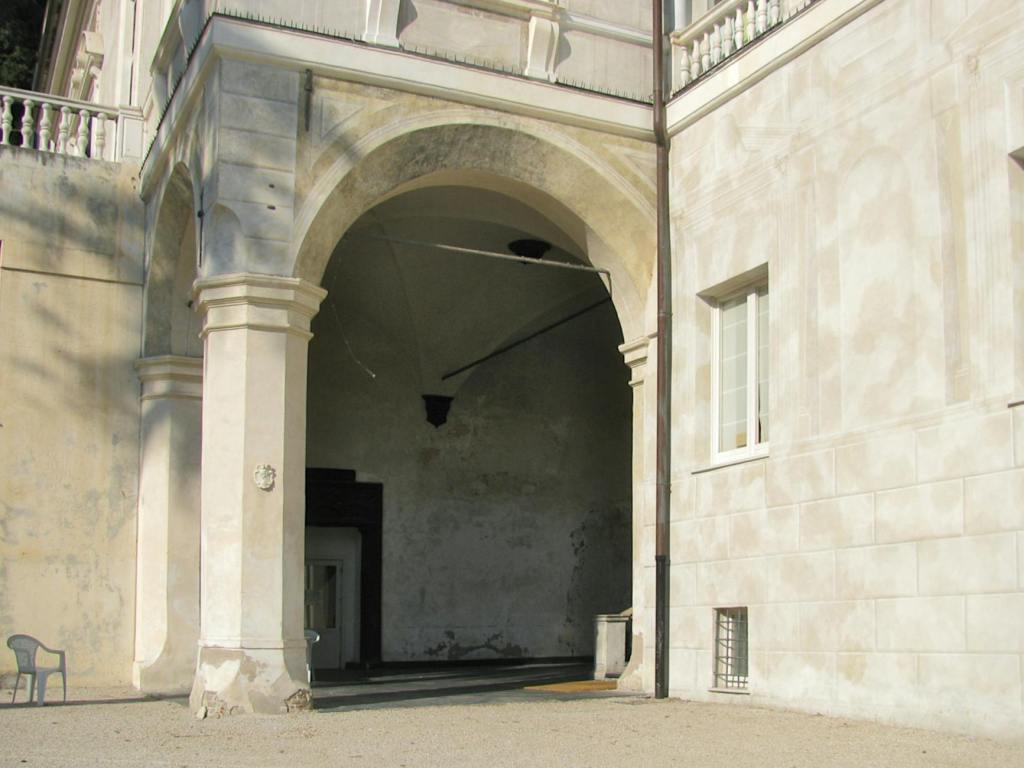
    By Aldan-2 – {{[1]}}{{[2]}}, CC BY-SA 4.0

    One of the ways the Genoan revolutionaries tried to create cross-class conversations was by mandating public lunches be held on the streets before festivals. These lunches would be funded by the elites, had limitations on the number of courses and were intended to inspire conversation before the entire group proceeded together towards a town square for fest time.

    This attempt at a third place being a space in time rather than a physical building intrigues me. That porch was only a third place during the luncheon, roughly every two weeks. It didn’t work.

    This is a fantasy blog, mostly about a fantasy world where dragons and magic are real. Let’s make the Genoa public luncheons real.

    My world has a naval empire, which makes this easy. But it is rather hierarchical and centered on the influence of the navy as sailor-citizens with power and influence. It is expansionist. Daoud won the war with Kirtin twice, and just lost their hold on Kirtin-on-the-Lake, the winter capital of Kirtin.

    Douad’s fleets sail the seas trading goods, conquering territory and bring their wealth back to the homeland.

    Daoud is the southern nation and controls the Green Isles in the Southeast.

    This is where the lunchtime third places come in!

    These now-wealthy sailors, officers and captains are required, by the Admiralty of the Land, upon returning to port to share their wealth and throw a party in the neighborhood from which they came.

    They lunch and fest together, with the Admiralty and Royalty surprising random porches with visits.

    This now ingrained tradition started because when the first ships came back with massive wealth they were seen as a threat to the non-sailing gentry. So that leadership in a form of taxation started the luncheon program. This kept the peasants that didn’t sail happy with the leadership and that joy spread.

    These lunches are simple fare — three courses, one which must always be from the land the ship just visited. There’s always a flatbread, that was originally simple but is now treated as a complex way to serve a fourth course that is not in violation of the edict. There is wine and coffee, tea and liquor.

    There is joy.

    Then there’s the party, always in sight of the harbor with the ships lit and glowing at mast and crossbeam. There are flags and fireworks (the best ships travel with Sparklers). These parties are on a time limit. They start within two sunrises of the ship’s return. They end the next morning.

    And everyone participates. The paupers, urchins and sweeps know that when a ship returns they will eat well for at least a day, often two. The displays of wealth are ostentatious and the people are happy. These aren’t circuses, nor taxes. It’s Daoudian Luncheon — one of the two third places in the culture. The ships are the other third place.

    Fediverse Reactions
  • Throwing Stars and the Pentiad — two sports on the Fields of Elysia

    Throwing Stars and the Pentiad — two sports on the Fields of Elysia

    As part of the Worlds to-go! The Elysians Kickstarter I pitched PJ the idea of adding sports inspired by this magical world that is a conjunction of city-states, godly wilderness and island-hopping villagers. The microsetting we’re going for has some ancient Greek and Roman inspiration, flexing into similar tropes taken by the Percy Jackson series, a dash of Narnia without the chivalry and because I’m me dashes of magic in all things.

    We’ve released a sample of the sports rules over on Drivethru RPG.

    Sports in the 5e, the Fields of Elysia

    The project has a few differences from my past writings on sports in D&D.

    • Sports on the Fields of Elysia doesn’t use the Tools rule.
    • It leans into narrative as mechanics. The concept here is to describe the action your are taking using your specialty (an advanced 5e rule), skill and attribute in unique ways.
    • Normally I ignore individual sports as they can typically be done with a one roll roll-off. But Elysia had to have something inspired by the original multi-national sporting competition. So I added the Pentiad.
    • As the peoples are emulating the gods (a fun bit of lore I enjoy) there’s no such thing as cheating. Borrowing from The Magicians, I leaned into the concept that the gods have minds beyond people’s minds. Emulating the minds of gods meant no cheating. There’s no cheating! Do whatever you want for victory — that’s what the gods would do. Pursue victory using spells or even attacks. Just don’t kill people.
    • Throwing Stars is based off an ancient Roman juggling competition, adding in a dash of mysticism around the creation of constellations and turning it into a team event. Combat juggling is a modern thing that should be captured in this lore too. Throwing Stars takes combat juggling with magic and then instead of awarding points on surviving, awarding points on the artistry of the creation — a divine act.
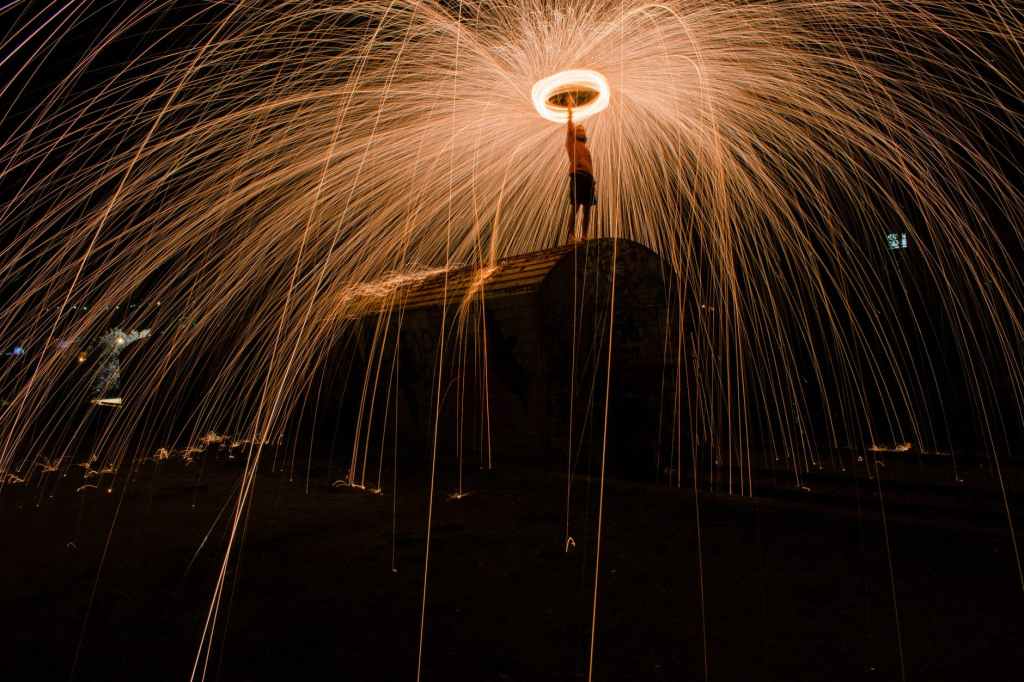
    Photo by Ioannis Ritos on Pexels.com

    When Throwing Stars what object or magic will you create to impress the gods?

    You can check out Sports on the Fields of Elysia for free for a few days. It’s a proof of concept, not a final rule set. If the Kickstarter continues on its strong path you may seen the final version of the rules, along with two other team sports.

    Try out the rules for sports. Tell us what you think.

  • Proctors of the Everflow: Campaign one sheet

    Proctors of the Everflow: Campaign one sheet

    This is an introduction to the seventh campaign set in the World of the Everflow. The most significant difference between these and the previous campaigns are that the player characters are all members of the Proctors, a group that once completely restricted magic from entering the Land of the Six Kingdoms.

    The campaign will start in the city of Ras Rurulit in Daoud shortly after the PCs were dropped off there. They have a safe house. Operating in the city either in hiding or in open defiance of convention will be up to the party.

    Campaign Premise

    Your group of Proctors are working together to capture and contain the Book of the Word and the Book of Dance, two groups of Scholars active in southern Daoud. You are authorized to use any measures necessary to control this group. They have been teaching well beyond just a Scholar and two Students – end them.

    Background

    In the last passing of the Dragon, the fourth moon, the World of Everflow experienced the return of magic, the introduction of goblins with smog teknologies, and empowerment of animal companions. Native to the Lands of the Everflow, the Kin all have animal companions, some learning minor magics. Rarer are those whose companions are empowered.

    The fey Ken object to these souls casting spells. Their Proctors crush the spread of magic and seek the Lorebooks from the seventeen schools where spellcraft was trapped. As the Ken invade from the west and the Six Kingdoms’ borders are rewritten, a forgotten peoples float on airxips from the north. The Kon are a smog-punk society with klackety, noisy tek coming from an island of guilds and invention.

    Heroes rise with their animal companions joining their journey. From humble beginnings these heroes show the power of fellowship and share knowledge with the greater world.

    In this case, the PCs are not heroes. They are not antiheroes. They are the Ken, people of knowledge, hoarding and limiting magic from the common people in the Six Kingdoms.

    This map is what the initial intelligence of the Ken thought the Six Kingdoms looked like. It’s quite wrong. Your group of Proctors are in the far south of Daoud, a rough land similar to the non-desert coastal Maghreb.

    Grand Conflicts

    • Proctors versus Scholars
    • Proctors versus the rare Gobkon in the south
    • Do the Elder Dragons really know best?

    Factions

    • The Book of the Word – book based spellcasters
    • The Book of the Song – music based spellcasters
    • Fleet of the Silent Knight – Daoud’s force responsible for maintaining control of the bay.
    • Isarnalijik and Isamamimir’s Squadron – the remnants of land forces who insist they are the rightful heir to the desert lands.

    Rumors

    • There are many colleges and universities in the land.
    • Magistrate Sas Rurulit is the greatest singer in Daoud’s history.
    • Ishurrumukuf has been taken over by one of the trade guilds of Qin
    • A great storm is coming from the West.

    Facets

    • The group are a collection of secret agents or special operators. They may act undercover or violently during the mission.
    • They have one ally to start, Sabrinigha. She runs the safehouse and is a halfling of the born generation slowly discovering spell craft.
    • The lack of animal companions will be obvious. They’ll need a cover story.
    • In traditional D&D this mission would be Lawful Evil.

    Variant Rules

    • Ken start with a Feat that grants a 1st level spell such as Magic Initiate.
    • Short rests are 8 hours. Long rests need sanctuary and 12 hours. This leads to a pace more similar to a novel.
    • Find Familiar and similar spells are banned from PC knowledge at the start of the game.
    • 50% of Enchantment spells no longer exist. This will not impact your spell choice.
    • Use point buy or standard array for starting attributes. If you want something random, the redrick roller gives random point buy valid stats.
    • Start at 7th level because the Proctors are powerful.
    • There are several custom backgrounds and tools available. We will use cultures, not languages. Each character will start with “Daoud (Common to the area) and Ken” for their cultures. If your PC would have more languages discuss that with the DM.
    • Each character will start with 500+1d10*25 gold to spend on mundane items or to put in a pouch and use as spending money.
    • Each character will start with TWO COMMON magic items, plus an Oriq Mask (see Strixhaven) and one RARE item based on the character’s Background and role within the Proctors. That Rare item will have story elements to it, may get stolen. May level up. We’ll see.
    • Each character must be be a spellcaster, but no Druids or Clerics or Rangers. Proctors serve the Elder Dragons, not gods or nature.
    • Every character must represent one of the Proctor factions – Seeker, Defender, Striker. The chart below shows a few examples.
    SeekerDefenderStriker
    Wizard
    EvokerX
    DivinerX
    AbjurerX
    Warlock (dragons)
    ArchfeyX
    FiendX
    Great Old OneX
    Sorcerer
    DraconicX
    WildX
    Rogue
    Arcane TricksterX
    Paladin
    AncientsX
    Devotion
    Monk
    Four ElementsX
    Fighter
    Eldritch KnightXX
    Bard
    LoreXX
    ValorXX
    Artificer
    ArmorerXXX
    ArtilleristXX
    AlchemistXX
    Battle SmithX
    Subclasses in other 5e Wizards of the Coast and Kobold Press books may be used as well.
  • Finding fantastic locations in the normal world

    Finding fantastic locations in the normal world

    Driving off into the wilderlands of Oregon my thoughts wandered to the D&D world I’ve created. Creating names for places on the fly is hard. Often people get consumed with making something that feels like Tolkien, Jordan, Weis, Bardugo or other greats. These names are complicated and often involve invented languages.

    You don’t need to be so impressive that linguists study you.

    Your world will feel alive borrowing from our own world.

    These are great names for a fantasy space.

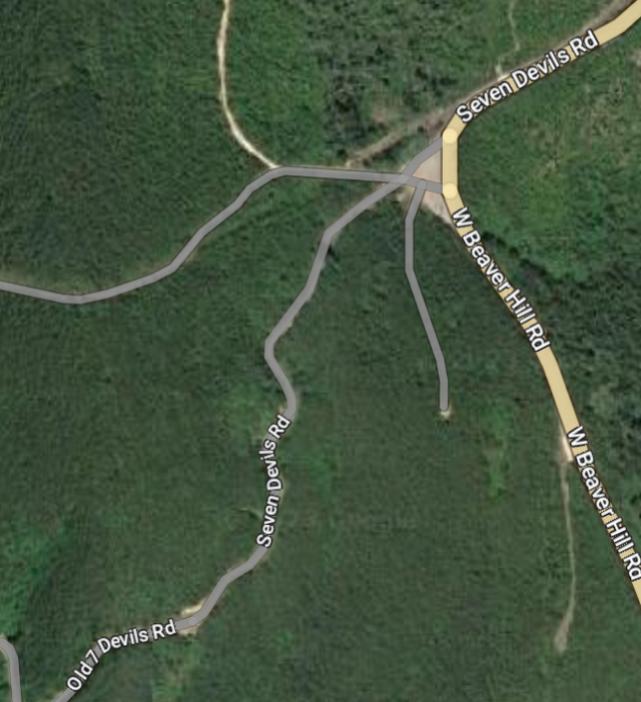
    Seven Devils Road and Old Seven Devils Road is perfect for any Dungeons and Dragons game. You don’t need to stretch to far for there to be both an incident that involved seven devils and for the now ruling empire to have a newer, more popular road that carries the same name.

    West Beaverhill Road could mean that it is west of Beaverhill. I submit that your fantasy world is more Lewis when you have every cardinal direction have a Beaverhill Road. Each of those is for a different beaverhill. Make those beavers talkative and have them part of the empire to capture some Fillory vibes too.

    Whiskey Run Road is just down the way from where we are staying. In my fantasy world that road probably started as a minor trail used by some bootleggers. Now, as they gained power within the realm, thanks to their whiskey runs making money, Whiskey Run Road is the main thoroughfare between the capitol and its not-quite-satellite city. What was once a former smuggler cove is now the headquarters of a major influence on a failing state.

    Hidden Canyon Road is something I’m fairly certain I passed by driving to get a cranberry turnover this morning. But my memory of this road is fragile as the road may not exist. The canyon might not exist. I never saw it. In a fantasy world Hidden Canyon Road could be a road, and a bridge, that exists over a fey gulch. There are nights when the gulch exists on most days the hidden canyon and covered bridge is just a normal passage with no need of a bridge at all. But on those nights with a few moons waning the fey canyon is back. Elves and their friends come out of the gulch demanding tax from those who use the bridge.

    tl;dr

    Take a few road names with you and be ready to create them as fantastic locations using the techniques from SlyFlourish’s Lazy Dungeon Master series. These quite normal names create a world of magic and wonder. Use placenames in reality to inspire your fiction.

  • Be the hands that weave – a new 5e D&D background

    Be the hands that weave – a new 5e D&D background

    Weaving, sewing, quilting, tapestries — these arts were part of what common people did in the times that inspire fantasy storytelling. It’s rare that these professions are featured as heroes, but they should be. They are community leaders or practitioners of the quiet circle, often of women unempowered in a society.

    From these origins one may rise to be a powerful Artificer, a storytelling Bard, a Mastermind Rogue, a healing Druid, a Cleric of Peace, a vengeful Paladin. Or something else.

    The weaver is not soft, though they can make great fabrics. A quilter is not necessarily warm to all. These are the people who toil with nimble fingers and converse with those too often overlooked by authority.

    These are the people who see destiny in fabric.

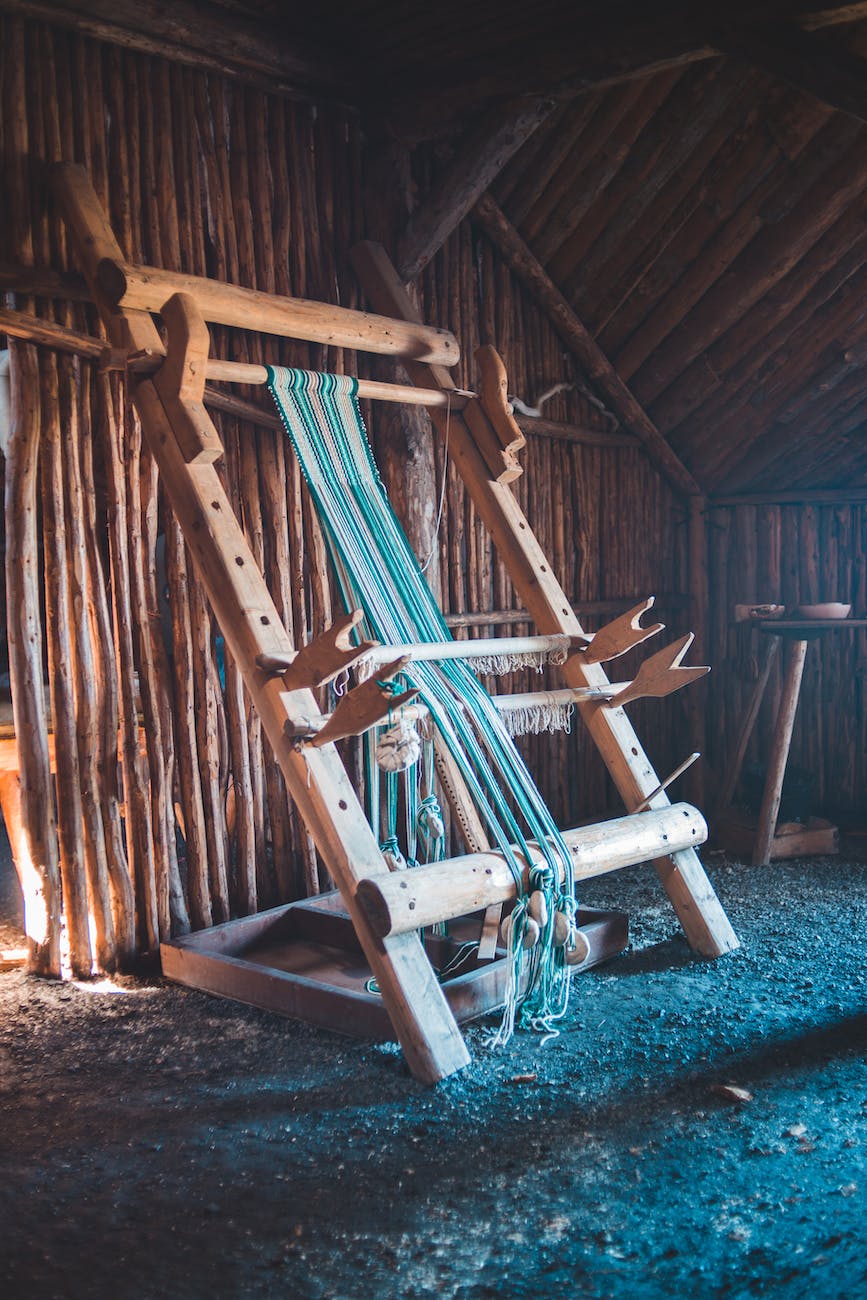
    A vertical loom in a wooden branch shack. The threads on the loom are blue
    Photo by Erik Mclean on Pexels.com

    Clothier

    You are an independent artisan who makes fabric or clothes or blankets. Your specific art is less important than what you do with it. Your friends and colleagues know things and count on you.

    Authority may overlook your presence, but you know their tenor and can hide what they are looking for — whether that’s a person or a thing.

    Skill Proficiencies: Insight, Sleight of Hand
    Tool Proficiencies: Disguise Kit, Weaver’s Tools
    Languages: No additional
    Equipment: Blanket, 3 candles, chalk, cloths (either common or winter), 3 needles, spool of thread, pouch, 5 gold

    Feature: As the Wheel Wills

    You have a certain comfort and understanding that you aren’t always in control. You have advantage on saves against fear, charm and other enchantments after the first round in these conditions.

    Additionally, you are able to find and protect secrets. When using Insight or Sleight of Hand to keep or discover secrets you do so with double proficiency.

    Personality: use the Folk Hero and Guild Artisan as guidance.

    Design Goals

    Avoiding the Folk Hero’s problem of “if you’re already a hero you shouldn’t be level 1” is my primary goal with the Clothier. It’s the primary goal with many of the backgrounds I’ve created. Common people become heroes through playing D&D — although someday I’ll make a False Hero, one who hasn’t yet been heroic.

    Fernando Pessoa once said “Sometimes, when I wake up at night, I feel invisible hands weaving my destiny.”

    I also wanted to capture the magic of weaving and other arts of cloth. These aren’t arts that I understand. They are arts that I want to celebrate.

    From the literature that inspires D&D the lines from Wheel of Time about “the Wheel weaves as the Wheel wills” prodded me into action.

    Finally there are some important quilters in my life. This background goes out to them too. Whether by stitch, by arms long or short, they are the fabric of our lives. A quilter can tell a story in squares and thread. Hopefully this story helps tell theirs.

    Custom Backgrounds for 5th edition Dungeons & Dragons

    Fediverse Reactions
  • Sports: A New Tool for 5th Edition D&D

    Sports: A New Tool for 5th Edition D&D

    Most Dungeons & Dragons settings (Forgotten Realms, Eberron, DragonLance, Midgard, Greyhawk) exist in a similar socio-economic state to the very late Middle Ages through the Victorian period. The commonality of magic, the relative wealth and existence of a middle class, and other indicators compare fairly well to those concepts. There is a certain apocrypha that makes it clear that much of the fantasy we roleplay is not from Arthurian legend, instead there are modern concepts such as trade guilds, inns with more individual rooms rather than sleeping halls, massive sailing ships, some worlds even have printing presses producing newspapers.

    Something lacking in almost every world set within that many hundred year period is sports. Almost all sporting events mentioned in the literature are individual in nature, essentially replacing things which were in the original Olympics. This ignores the fact that by the time societies had inns, guilds, papers, etc. they had team sports.

    By Unknown author – Pietro di Lorenzo Bini (ed.), Memorie del calcio fiorentino tratte da diverse scritture e dedicate all’altezze serenissime di Ferdinando Principe di Toscana e Violante Beatrice di Baviera, Firenze, Stamperia di S.A.S. alla Condotta [1688], Public Domain, https://commons.wikimedia.org/w/index.php?curid=864734

    A partial list of the team sports from around the globe within the time periods that inspire a majority of D&D fiction includes Town Ball (ball, stick, & safety), Mob Ball (ball, foot, & goal), Lacrosse (ball, stick, & goal), Maya Ballgame (ball, stick/hip, & goal), Polo (ball, stick, horse, & goal), Dakyu (ball, stick, & goal with maybe horses), Buzkashi (animal head, horse, & goal), and others – like the predecessor of hockey.

    Fantasy Team Sports

    Fantasy literature tends to ignore the element of sports. There are some that exist — from the barely mentioned phandrel (team chasing-and-destination) in the Forgotten Realms to, of course, quidditch, which somehow exists in the real world now. The Magicians has welters, which combines chess with magical violence. Strixhaven, the Magic: the Gathering and D&D setting, has Mage Tower and the single reference to Silk Ball (and a map).

    Yes, adventures like Tomb of Annihilation, Rime of the Frostmaiden, and Theros capture individual sports.

    But we know that the times upon which our worlds are based have a wonderful glut of sports. At the minimum these should be used to add color and flavor to our worlds. Make them part of festivals. Have a red v blue v green v orange v black phandrel contest that interrupts a chase scene, or maybe even becomes part of it.

    Still, there’s more available to make your world live and breathe. Not just the Athlete and Gladiator backgrounds, which are great for a hero that specializes in individual sport. Add team sports to your character’s history.

    Sports (type): A 5th Edition Tool

    Lean into tools for the mechanics. They are an excellent way to add more story to your backstory. The use and specialization in a specific set of tools tells us much about the artisan, the bard, the entertainer and so many other backgrounds.

    Expand on your Athlete by adding Sports (type) as one of their tools. Borrow from what was established by Musical Instrument (shawm, etc) for your model. The specific type of sport is purely a flavor and story element, until it isn’t. Maybe, you’ll find a fun town ball bat, or a ball game stick, or whatever, during your journeys and that may provide a clue as to who was in that space prior – DC YY Intelligence (Investigation) with advantage if you have experience with that or a similar sport, for example.

    Bringing sports into your game as a tool expands the tales you can tell. Be Waterdeep’s version of Roy Hobbs, or a Sharn’s version of Mara. Maybe during a chaotic match of mob football between Aviceland and Copperwall in the Foxshaw Field you became a folk hero that repelled a skeleton attack.

    Don’t Worry About Mechanics

    As always, here at Full Moon Storytelling we’re focused on story rather than mechanics. Using a new Tool isn’t going to change your D&D game’s power level, not even as much as Coffee Gear.

    Trying to figure out a winner might be necessary, but not with significant frequency. If you wanted to roleplay actual sports something like Blaseball would be a better than D&D. But, if you need a result and want to use the dice, limit the contest to a single roll for each participant on the team (use party sizes of 3 to 6), and have it opposed by an NPC. Through the description of their primary role within the sport and what that character is attempting have them make a roll Athletics or Acrobatics, assigned to an attribute that most fits their action and with advantage if they character is proficient. Then roll the same for the NPC. Have the first team to 3 successes wins that match.

    Most games before the codification of rule and laws (baseball and football/soccer in the mid 19th century) could last from sunrise to sunset. If the players succeed on their first three rolls, consider that a game done by lunch. If it takes five, or more due to a bunch of ties, make it last into twilight.

    Do not attempt to get deeper into the mechanics than this. Your session doesn’t need hours dedicated to sport. Instead any match should be a way to access new stories told at the table. Instead of hanging at the bar, or boxing – play some Dakyu. Meet some new NPCs based around that event, then hit the tavern to talk about that day’s new star athlete.

    Handy Maps for Play

    Two-minute Tabletop’s wonderful map works for many structures. There’s a small stadium with markings for halves that could work for town ball or mob ball that develop into a spectator sport.

    Strixhaven has maps for both Mage Tower and Silk Ball. The rules for Mage Tower are developed, while Silk Ball has space to make your own sport.

    Prefer this topic as a vlog or podcast?

  • The Caravanserai – a 5th edition D&D Background

    The Caravanserai – a 5th edition D&D Background

    One gap in the official backgrounds is the trope of innkeeper. So many tales that inspired this game consist of an innkeeper (and we’re keeping that slightly different than barkeep) who exists as an NPC. A related topic, and one I wished to amplify is that version of an innkeeper who plies their trade at a frontier stop or waypoint on a much travelled road. The Caravanserai is meant to capture that individual, and the alternate the urban innkeeper.

    Caravanserai at Dogubayazit, Turkey
    Caravanserai at Dogubayazit, Turkey by Charlie Phillips (CC BY 2.0)

    Caravanserai

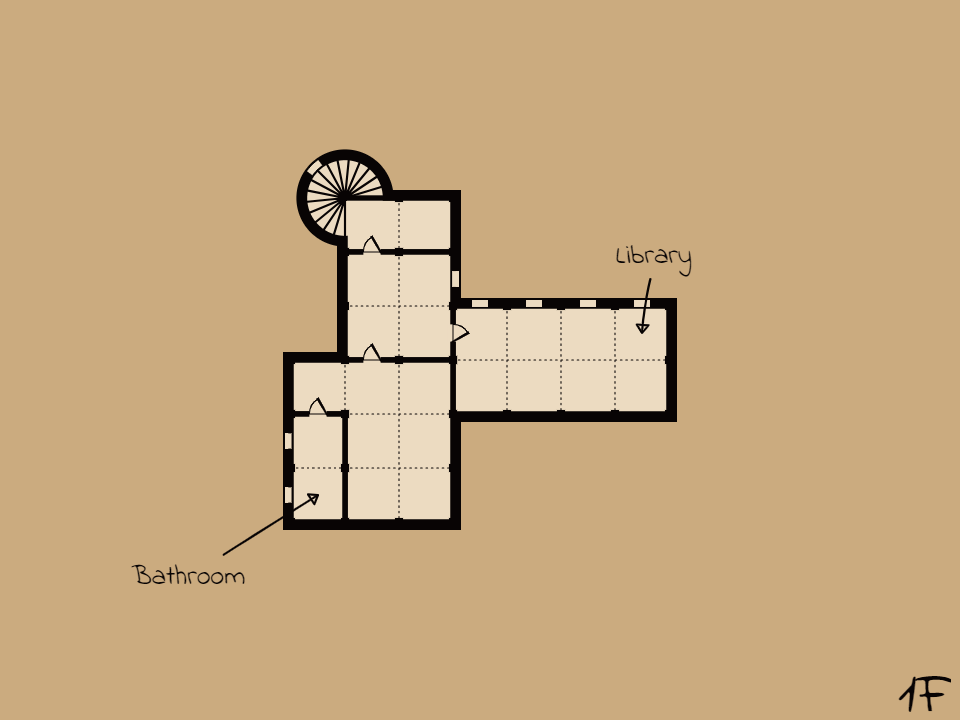
    Dyson Logos CC-BY

    Along dusty roads and alpine trails there are forts that operate as a rest stop, place to pickup supplies, maybe an opportunity to trade, and a safe enclosure from the dangers of people and nature. You grew up at one of these caravanserais, or moved there when young, learning the lingua franca and other tongues, picking up on the various cultures that came through the walls to spend a night or a week in your safety.

    When bandits attacked you helped to defend the fort, as did everyone within. Some may focus on those tales. Others would focus on the caravans traveling with spices and fabrics from lands that others only think of fanciful stories, but for you are the real origins of people you’ve met. You are worldly, without travelling the world until now. Gifted a family heirloom you are off on a journey away from safety, ready to explore spaces that are no longer fiction.

    Skill Proficiencies: Animal Handling, Insight
    Tool Proficiencies: None
    Languages: Any two (Thieves Cant included) — as always, using cultures is better
    Equipment: Abacus, Baton (a club with finesse properties), Bell, Blanket (2), Guestbook, Candles (5), Map Case, Traveler’s Clothes, Ink Pen, Heirloom Spyglass, 5 gp

    Feature: Warm Welcome

    When you first meet new people they usually assume you are friendly. Your demeanor is such to put them at ease. Those being chased, followed, or otherwise harassed seek you for protection and comfort. For the most part, thinking peoples want to be on your good side because you are known to accept those in need, especially those who can pay.

    Characteristics: For now, use those from the Folk Hero or pick & choose your favorites. Whenever my background project sees full publication there will be unique characteristics for each of them and feats, because that’s what 2024’s version of the game will have.

    If you’d like the Caravanserai map, head on over to Dyson Logos for the full size image. I back Dyson Logos and you should too.

    Alternate: The Innkeeper

    You either worked at an inn owned by others, once owned your own small inn, or have left the inn owned by your family as you head out into the world of adventure. Whether you come from a small town or a metropolis, your experiences are generally urban. You know the temples, libraries, parks, and other civic buildings of the neighborhood as well as someone who works or lives there.

    People know your inn as a place for visitors and some locals. They know your for your ability to make friends, for your ready weapon to enforce the peace within your building, a willingness to clean up a mess, and that you always have the right key available.

    Changes from Caravanserai

    Replace the Animal Handling skill with Persuasion or Intimidation.

    Replace the equipment of the Caravanserai with the following.

    Equipment: Abacus, Any Simple or Martial Weapon, Bell, Blanket (2), Guestbook, Candles (5), Map Case, Traveler’s Clothes, Towel or Rag, a Key Ring, Ink Pen, 10 gp

    This map from Newbie DM inspired the release of these backgrounds. Every innkeeper should have an inn they left when they started out on their adventure. There are many reasons to leave that life, some by choice and others more sinister. When creating an innkeeper or caravanserai have a map of that location, and a story about why you left.

    Caravanserai Design Goals

    I’ll admit, leading with the Caravanserai is inspired by my studies (Near Eastern Cultures and Civilizations, Arabic), my gaming passion for al-Qadim, and my visits to Palestine, Israel, and Kuwait. Also, there are some unique spaces to fill. The heirloom spyglass is a fun trick of creation. Taking that away from the family adds story. Adding a weapon in which the character may not be proficient is a technique I’ll lean into a bit in the backgrounds project. Certain civilian (aka non-adventuring) roles in a society will have a weapon, but not necessarily be good at using it.

    Whether the Silk Road or ancient mountain pass, travel routes have always, in every culture and geography, needed the safe respite away from brigands, bandits, wild animals, and extreme weather. At this locales the caravanserai and/or innkeeper offers a warm smile, food & board, and information all for just a few coins.


    Custom Backgrounds for 5th edition Dungeons & Dragons

  • Allies and Adversaries in Uprising and Rebellion

    Allies and Adversaries in Uprising and Rebellion

    My current campaign of episodic adventures is starting to get complicated. These notes are mostly for myself, so that the various threads and multi-session characters do not get out of control as people drop in and drop out. Uprising and Rebellion Campaign Two is crafted for that type of play, but pushes me to track NPCs and threads a bit more than typical D&D campaigns.

    Read: Common knowledge in the World of the Everflow.

    Heroes

    These are the Player Characters, some active, some dormant, and all controlled by not-the-DM.

    Req (dwarf, paladin) — He travelled to Kirtin-on-the-Lake in an early wave of emigration from the Lands of the Ken. Part of the Society, he helped the Dock District get free from the Mayor’s influence. The dwarf has a penchant for ale, often forgets names of his friends, and is responsible for forming the Dock District Militia (mostly other longshoreman with glaives).

    Seymore (halfling, rogue) — One of the constants in the Dock District is Seymore’s proselytizing for freedom for all. Working as a streetsweeper, he provided light in the darkness, now his words try to do more as he joins the Society and pushes back against the Mayor, the Ken, and the Empire of Daoud.

    Gardar (human, warlock/sorcerer) — From the land of Mehmd, this one-time cooper and weaponsmith lost his first animal companion to tragedy, fled his former master and now seeks to rid the influence of the Dragons and their allies.

    Keldrass (black dragonborn, monk) — An early traveler from the Fey Isles, he abandoned the quest of those people to study what makes the Kin special and unique. Still confused by these diverse societies without magic but with a love for animals.

    Skrunk (goliath, wild barbarian) — The former coffee roaster lost control when infected with some kind of dragon-kin magic. He has two giant turkeys, a little bit of magic and a lot of rage. He was once plagued by gnomes and Paiddrois both. The Society have used his giant turkey-cart to help transport things.

    Dormant

    Habergeon (warforged, cleric) — The world’s first, and possibly only, warforged, Habergeon was crafted during the fall of a previous age back when magic was plentiful and those who are now gods walked the world as mortals.

    Nerinmil (half-elf, warlock-rogue) — Also in the early wave of travel from Ken to the Land of the Everflow, Nerinmil stands against his ancestors in their quest to oppress the People of Fellowship.

    Grera (mulgoblin, cleric) — Rescued from the jaculus encampment Grera joined the Society in efforts to learn more about the wide variety of peoples in the world. He is the primary connection between the Kon working in the back of the Rusty Clam and the active agents of the Society.

    Roland (human, rogue-thief) — the former sage was recently fired from his position in local university. His teachings challenged Daoud’s control of Kirtin-on-the-Lake. He has a small cat that avoids all conflict.

    Whym (halfling ranger-gloom stalker) — the former circus member is of noble heart and fights to protect those who are threatened by darkness. She has a huge dog, Kelb.

    Galanodel (elf rogue-propagandist) — the former journalist in Ken has combined techniques learned while working in the lands of magic with the praktikum of the gobkons. Now he publishes broadsheets in Kirtin-on-the-Lake pushing warnings against his own kind as well as building support for an independent KotL.

    Allies

    Auger (goliath, professor) — One of Roland’s friends at the U, Odger is a font of knowledge. His library-classroom is a safe haven outside of the Dock District and reachable via a fountain and the sewers.

    Penzer (human, bar owner) — He is the owner of the Rusty Clam, the impromptu headquarters of the Society. There is a once-secret backroom with a tar-tree powered printing press (the press can also be powered by the sap of the black dragontree). Penzer generally hears rumors around the Docks.

    Gregr and Robare (humans, longshorefolk) — Two of the men armed by Req, they have crewed a boat requisitioned by the Society and helped rid the jaculus from the docks. They aren’t great fighters, and try to avoid conflict. They are willing to support the Society in all non-violent actions.

    Wilkie (human, captain of Dock District guard) — No longer the only “full-time” employee of the Guard, this former Daoudian guardsman felt more familiarity with the Docks than the Mayor’s officials. He can be a source of knowledge about what’s going on in neighboring Districts or the Mayor’s forces.

    He was captain with a unit of four full-time Warriors (2 human attackers, 2 halfling defenders). Their five dogs are one mastiff (Wiklie), two herding dogs, and two guard terriers (can set an Alarm as a ritual with no components). They wear chain shirts, glaives, a ruby dagger, and short bows. Wilkie has a longsword and shield. All but one of these died. Denny is the only remaining guard.

    Lily Evertruse (elf, wizard) — Lily scared off the faerie dragon at the Mayor’s Three Fulls party. She seemed friendly with Habergeon and willing to aid the group in their efforts.

    Thorbolt Moorcok (human, vintner) — The head of Moorcok manor and vineyard was befriended by Req as the dwarf helped the family cleanup and rebuild after a group of Dragonsworn attempted to kill the Professor Rollo Silverfin, a Scholar of Illusions.

    Becca (human, conjurer) — She stole a few slates of conjuration to learn extraordinary magic, to include spreading certain spells (Infestation, Sword Burst, ???) to the general public. She is an ally, but also wants to spread magical knowledge to everyone.

    Jasmyne (human, retired captain of Mayor’s guard) — Jasmyne and her monkey enjoy causing small troubles for the Mayor’s not-quite-allies. She also thinks the current Mayor is a buffoon who doesn’t match the strength of his father.

    Resources

    The Bundle of Illusion (a random number of books) and the Slates of Conjuration are in possession/control of the group. The Slates of Conjuration were accessed by Augr’s students, who eventually spread spells to the general public.

    Req created the Dock District Guard (see Wilkie, above). There is also the ad hoc militia which are longshorefolk with bill hooks (uses glaive stats).

    Seymore expanded his network of sweeps and lighters into Duskside.

    The group also has significant influence over the broadsheet produced by two goblins and a mulgob in a backroom at the Rusty Clam.

    Nerinmil has a significant piece of lore.

    Habergeon holds a divine favor.

    Adversaries

    Qiddrot The Dark and Pathlean The Shadow (black dragons) — These hoarders of fellowship are breaking the companion bonds. Their adolescent companion was killed by the group in an ambush. They have met with the Mayor, who learned that the Blacks do not respect the treaty between the Dragons and the City.

    Gnomes — A small group of bold illusionists that seem to be allied with the Blacks, these illusionists and enchanters willingly broke the Treaty in order to help steal joy and happiness.

    Elmsday Fleet of Daoud — Settled just outside the city, the Elmsday Fleet is not under control of the Mayor. The Society has yet to interact with the Fleet as it looms to insert itself on the side of oppression.

    Proctors of Grace — an Evoker, Abjurer, and Diviner that travel together seeking to remove magic from the Six Kingdoms. They are hunting the Scholars and the Lorebooks.

    Former Mayor-Governor Roreldus Androouet le Riche, Servant of the Queen and Commander of the Northern Fleet and the 3rd Marines (human, banneret) —  a weak man more concerned with power than justice. Will do nearly anything to maintain the place of prominence in Kirtin-on-the-Llake. The Northern Fleet are two boats that roam the lake and are maintained on Androouet Isle in the middle of the lake. The 3rd Marines no longer exist.

    Tanazir the Greaty Wyrm — When alive this blue dragonwas influencing the mayor through promises of wealth. The deceit and corruption made Kirtin-on-the-Lake nearly unlivable as so many leaders and upper class were looking out for themselves.

    Laudra (elf, rogue) — Discovered during the Mayor’s party she uses magic to drift among the Kin. A thief and general troublemaker who seems be ruling Rat Horn. She has two dwarf assistants and some amount of fandom within the working class.

    Jaculus (group, all dead) — Req did capture a jaculus egg. These minor dragons stole fine art and gems from Dock District boots and retreated to an encampment to the north-east of Kirtin-on-the-Lake. The group fought off a few allied Ken.

    Paper Drake (singular, dead) — The folding book drake that once rode in Habergeon’s book pouch escaped during a rest in Odger’s library-classroom. It was quite interested in his most special books on the highest ring of knowledge within the tower.

    Paiddrois The Twilight (dead adolescent black dragon) — First of the Blacks to interact with the Society, Paiddrois was the least powerful and most aggressive of dragons to enter the city. His boldness was a herald of things to come, but also what lead to his death.

    Clues and Portents

    The dragontrees need at least one dragon and 8 other spellcasters to be reawakened. The Red Oak was the first of these and now geysers of flame spew out from it. No new egg has been seen yet. These ceremonies can only happen on when at least two moons are full. The next opportunity is in two days and coincides with a major Daoudian festival in the city.

    Black dragons break the bond of companionship between the Kin and their beasts. At least three dozen of these bonds have been broken. All appearances are that the black dragons hoard these connections. Jaculus hoard gems and fine art. Paper drakes hoard knowledge and appear to want to raid the University of Kirtin. All dragons hoard something and the chromatics seem to hoard emotions. Five of their 11 gnome and dwarf allies have been killed. Four in Winterhome of Shamal and one at the Mayor’s celebration.