
They’re different from novels, short stories, comics, theater, movies, and most other forms of storytelling. That does not remove the tale being told nor the concept of story.
If anything they are most similar to communal storytelling around a campfire and improv dramas. For the most part roleplaying games are communal events with a group.
How did I bump into this well-worn debate? Via a recent thread on EN World, the rare bright spot in RPG discourse.
Let’s talk about “plot”, “story”, and “play to find out.”
My response there focused mostly on the story and plot aspects, and the power of having more voices (something rare in written fiction, but common in other forms of storytelling).
There are people who are not good authors, nor good directors, nor good actors who are good roleplayers/gamemasters/etc. By leaning into the ways that community, plot and play-to-find-out work the creation displays, maybe even demands, story emerges.
This is the Potential of games like D&D.
Sometimes conventional Western storytelling formats can lean into the things that make the emergent and divergent story that happens in RPGs. This can be magical — because it shows how all story is really a reflection of point of view, or in our hobby — spotlight.
RPGs-as-story feel messy when considered through a lens of a literature class or mainstream television.
But, stories are quite messy
Two people can read the same story, watch the same film, listen to the same podcast and come away with different meanings, see different main plots even.
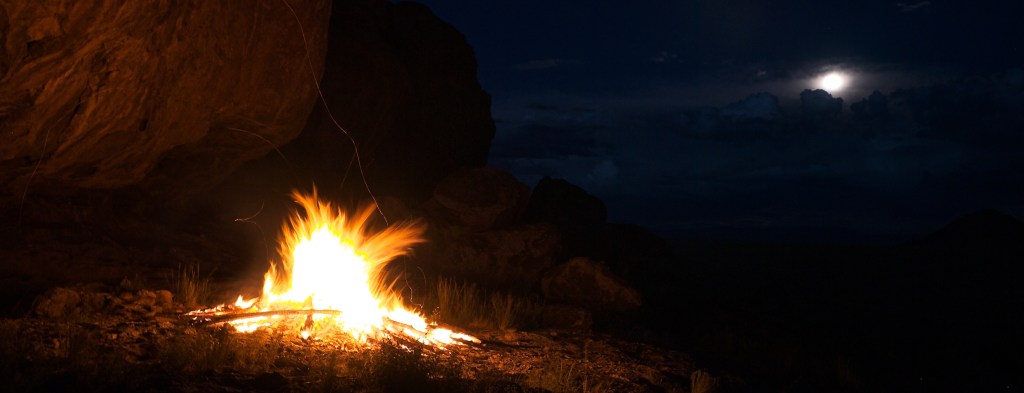
To me, RPGs are stories in the way that campfire tales are. They involve a lot of wandering, forgotten threads, lack firm outlines and are at their best when the tale is woven through multiple voices providing input.
Can they be a traditional novel after the campaign? Absolutely! But during the telling of the tale they are similar to writers who don’t edit as they go or a director who over films alternative concepts that aren’t on the script.
One of the more thrilling things about RPGs is that it is an ensemble cast of both PCs and recurring NPCs. Together they’re important, but the tale and spotlight as to who is most important can easily shift. Use any of them as the point of view to change the story as you understand it. Each can be vital.
The messiness is the fun part of RPGs as story.
The messiness is what helps me discover tales I cannot tell on my own. That’s part of the power of the table and broad casts in ensemble stories.
You think you’ve seen stories like this before, so you can guess what’s going to happen. Who’s important and who isn’t, but that’s because you’re trapped in your POV.
– later –
When you file people away as sidekicks you don’t realize their importance to the story, and this story belongs to a lot more people than you think. Where to shelve a book, it’s not a little thing. You’re telling the world what to value. Who to value.
From The Magicians, Side Effect (S4, E7).
RPGs are very much like that.
They remove your assumptions. You don’t know what’s going to happen. The POV constantly shifts and the importance of the broader cast shifts constantly.
From RPGs-as-Story we learn what and who to value by including others.


Leave a comment